




 Markets
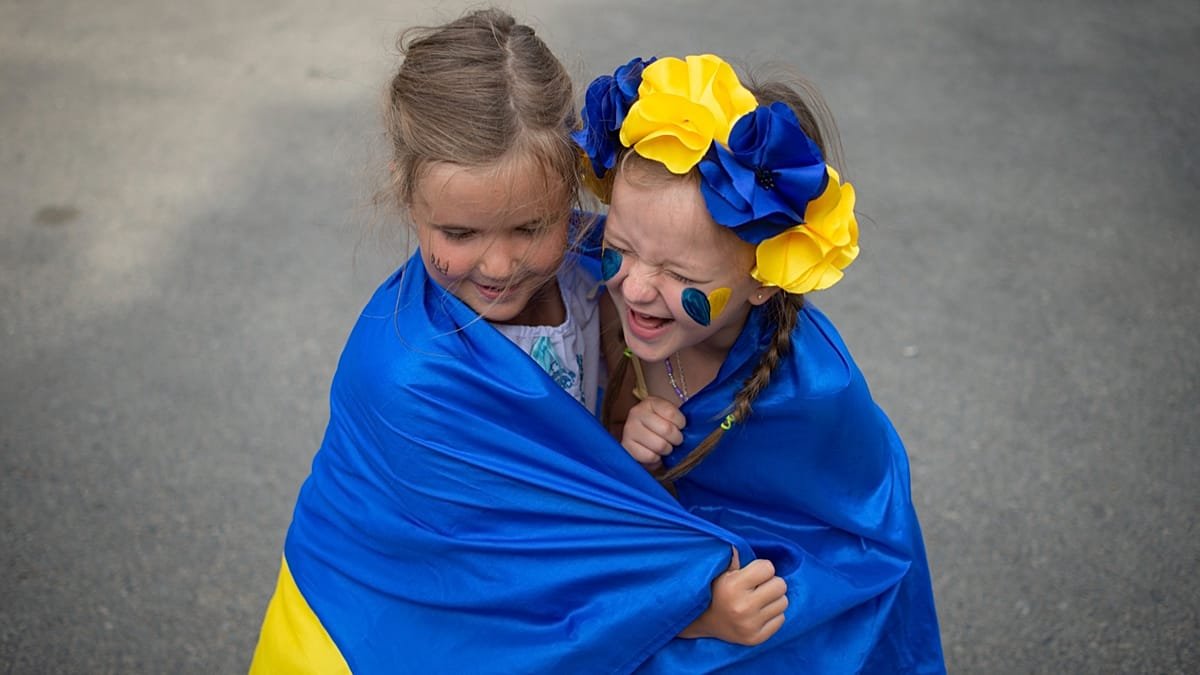
The European Union imposed sanctions on 16 Russian officials accused of helping Moscow in the abduction of tens of thousands of children from Ukraine.
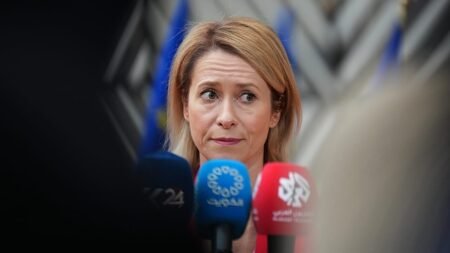
“Of all the horrors inflicted by Russia’s war, the deportation and forced transfer of Ukrainian children is one of the worst crimes,” the EU’s top diplomat Kaja Kallas said following a meeting of foreign affairs ministers in Brussels where the sanctions were endorsed.
The new sanctions target individuals responsible for the systematic and unlawful deportation, forced transfer, and forced assimilation of Ukrainian minors, including indoctrination and militarised education, as well as their unlawful adoption and removal to Russia and within temporarily occupied territories.
“These actions constitute grave breachesof international law and a violation of the fundamental rights of the child and aim to erase Ukrainian identity and undermine the preservation of its future generations,” according to an EU council statement.
They include an asset freeze, and EU citizens and companies are prohibited from making funds, financial assets, or economic resources available to the listed individuals and entities. Those sanctioned are also subject to a travel ban, preventing them from entering or transiting through EU territory.
Over 130 people and “entities” are now under EU sanctions over the abductions.
Ukraine has verified the deportation of more than 20,500 children to Russia to date. Yale’s Humanitarian Research Lab estimates the number may be closer to 35,000, while Moscow has suggested it could be as high as 700,000.
Ukraine’s foreign minister, Andrii Sybiha, said the situation is not “an accident of war.”
“This is not collateral damage. This is a deliberate Russian policy aimed at destroying Ukrainian identity. Children are forced to forget who they are, where they come from and even their language.”
Seven entities have also been sanctioned, including Russian federal state institutions linked to the Ministry of Education.
In coordination with Moscow-installed occupation authorities, they are accused of organising programmes for Ukrainian children that subject them to pro-Russian indoctrination, including through patriotic events, ideological education, and military-oriented activities.
“Russia is trying to erase their identity,” Latvian Foreign Minister Baiba Braže said. “When you look at the Genocide Convention, it’s one of the features of the genocide crime. So, it’s very serious.”
In March 2023 the International Criminal Court has issued an arrest warrant for Russian President Vladimir Putin for war crimes, accusing him of personal responsibility for the abductions.
International Coalition for the Return of Ukrainian Children
The EU on Monday hosted a meeting of the International Coalition for the Return of Ukrainian Children alongside Canada to increase diplomatic pressure on Russia and rally support for work to verify and trace those who are taken.
“War has really many faces, but stealing the children is really one of the most horrific,” EU Enlargement Commissioner Marta Kos said ahead of the gathering. “We should stop this, and Russia should pay.”
“These are not kind of meetings we should ever have to have,” Kos admitted, saying in Ukraine’s tens of thousands of mothers had to go through Mother’s Day on Sunday without their children there with them.
However, establishing accountability and legal responsibility for those involved in the abduction and forced adoption of Ukrainian children remains complex.
Most of the forcefully deported Ukrainian minors have had their identity and papers changed and concealed within the Russian system to make their identification almost impossible.
Sybiha said that while arrest warrants are an important enforcement tool, Kyiv wants to see more pressure on Russia, including not only on those who facilitate the abduction and deportation, but also those who adopted Ukrainian children through the facilitated mechanisms in Russia.
Euronews reported earlier that Russia-installed occupation authorities in Ukraine’s regions created an online “catalogue” of Ukrainian children, offering them for coerced “adoption” through the education department.
The minors are reportedly sorted and categorised so users can “filter” them by age, gender, and physical characteristics such as eye and hair colour. The children are also described in terms of personality traits, with some labelled as “obedient” or “calm.”
Sybiha said more than 2000 children have been retuned, but thousands more are still waiting.
“Ukrainian children are not a matter for negotiations o compromise. Their return is unconditional.”
Read the full article here