




 Markets
Published on
Police in Greece said on Friday they had arrested three people in connection to attacks earlier this month that targeted ruling party politicians, killing a woman in a car explosion.
“Three individuals have been arrested” by anti-terror police in Thessaloniki and the island of Crete, the police said in a statement.
Police said those arrested were a 29-year-old man in Thessaloniki and a 26-year-old woman on the southern island of Crete on suspicion of involvement in the bombing. Another man was arrested on suspicion of hiding the two in his apartment.
The 1 July dawn attacks in the northern city of Thessaloniki targeted the homes and vehicles of three politicians from Greece’s ruling New Democracy party with homemade gas canister explosives.
The mother of former party candidate Afroditi Nestora died from injuries caused by an explosion, apparently while trying to put out the fire. The attack also injured Nestora, her father and two other people.
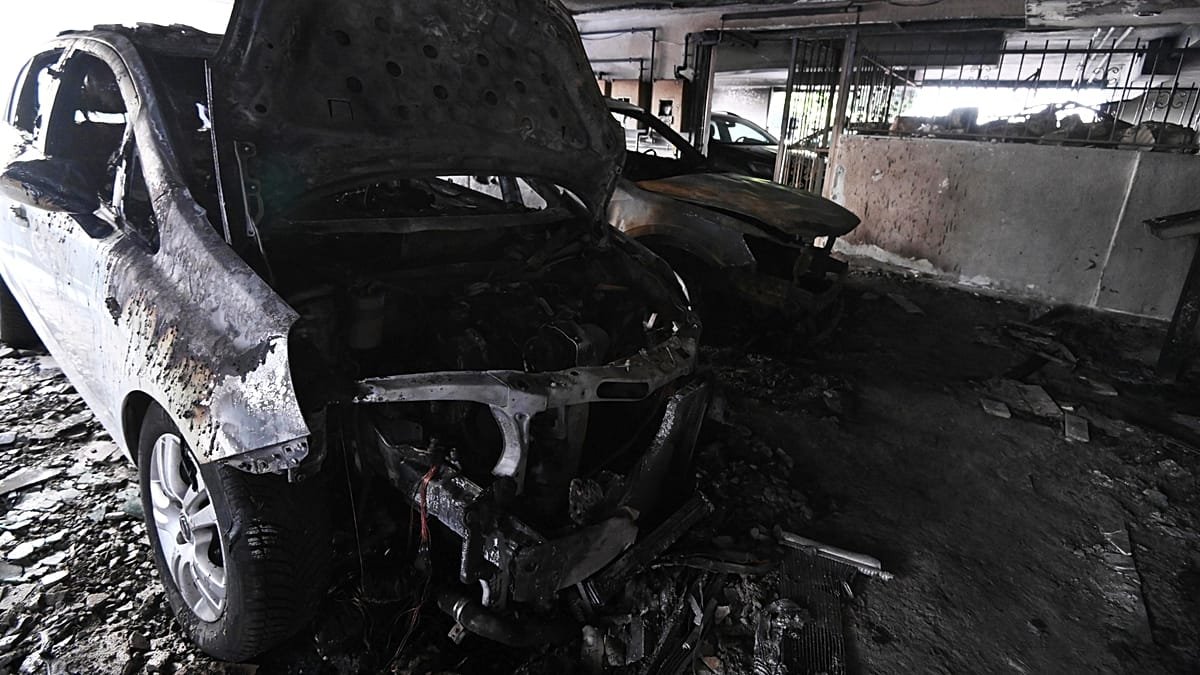
Four vehicles in the garage of Nestora’s home were burnt, police said.
Greek media identified the other two targets as the party’s local executive committee chairman Zisis Ioakimovic and former MP Savvas Anastasiades.
“One day after the funeral of Vagia Nestora, the state honors her memory by leading, as we had pledged to do, the terrorists to justice,” Prime Minister Kyriakos Mitsotakis, who is also the head of New Democracy, said in Parliament.
“It is democracy’s answer to violence. Democracy’s only answer to violence.”
The improvised explosives were made from small butane canisters, police said, and the attacks appear to have been carried out by the same people.
Greek media on Friday identified the detainees as young anti-establishment figures known to police.
Government spokesman Pavlos Marinakis has said that the attacks took place within 15 minutes.
Greece has a long history of politically motivated violence dating back to the 1970s, with domestic extremist groups carrying out small-scale bombings, usually targeting symbols of power or the property of politicians, police or other authority figures.
Many use crude explosive devices, often made with camping gas canisters, mostly causing damage but no injuries.
While the groups most active in the 1980s and 1990s have been dismantled, new ones have emerged.
Additional sources • AP, AFP
Read the full article here