






 Markets

NEWYou can now listen to Fox News articles!
War Secretary Pete Hegseth said that Iran does not have so-called “kamikaze dolphins” — dismissing an unusual claim that emerged from recent reporting on Iran’s potential tactics in the Strait of Hormuz.
“I can’t confirm or deny whether we have kamikaze dolphins, but I can confirm they don’t,” Hegseth said during a Pentagon briefing Tuesday.
The question stems from a Wall Street Journal report that said Iranian officials have at least discussed reviving a Cold War-era program involving trained dolphins capable of carrying mines toward enemy ships.
Chairman of the Joint Chiefs of Staff Gen. Dan Caine appeared unfamiliar with the claim, reacting with a laugh when asked about it.
IRAN HOLDS WORLD ENERGY HOSTAGE WITH ‘NIGHTMARE’ STRAIT OF HORMUZ SEA MINES, FORMER CENTCOM OFFICIAL WARNS
“I haven’t heard the kamikaze dolphin thing. It’s like sharks with laser beams, right?” he said, referencing the fictional weapon from the “Austin Powers” films.
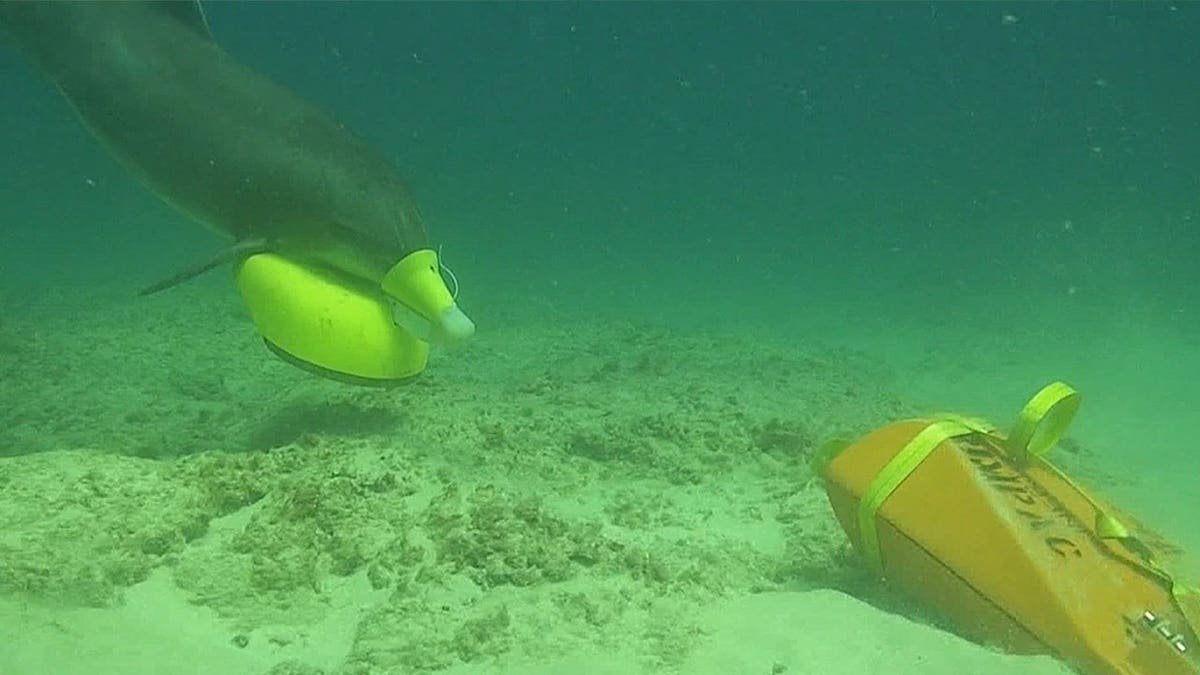
U.S. military dolphins have been used in combat before — but not as weapons. During the Iraq War, Navy-trained dolphins were deployed to the Persian Gulf to help clear mines from the port of Umm Qasr, using their natural sonar to locate and mark underwater explosives so divers could neutralize them.
The U.S. Navy has long trained marine mammals for missions such as detecting underwater mines and tracking divers, and Soviet programs during the Cold War experimented with more offensive uses.
Iran reportedly acquired dolphins from a former Soviet program in 2000, though there is no confirmed evidence such capabilities are active today.
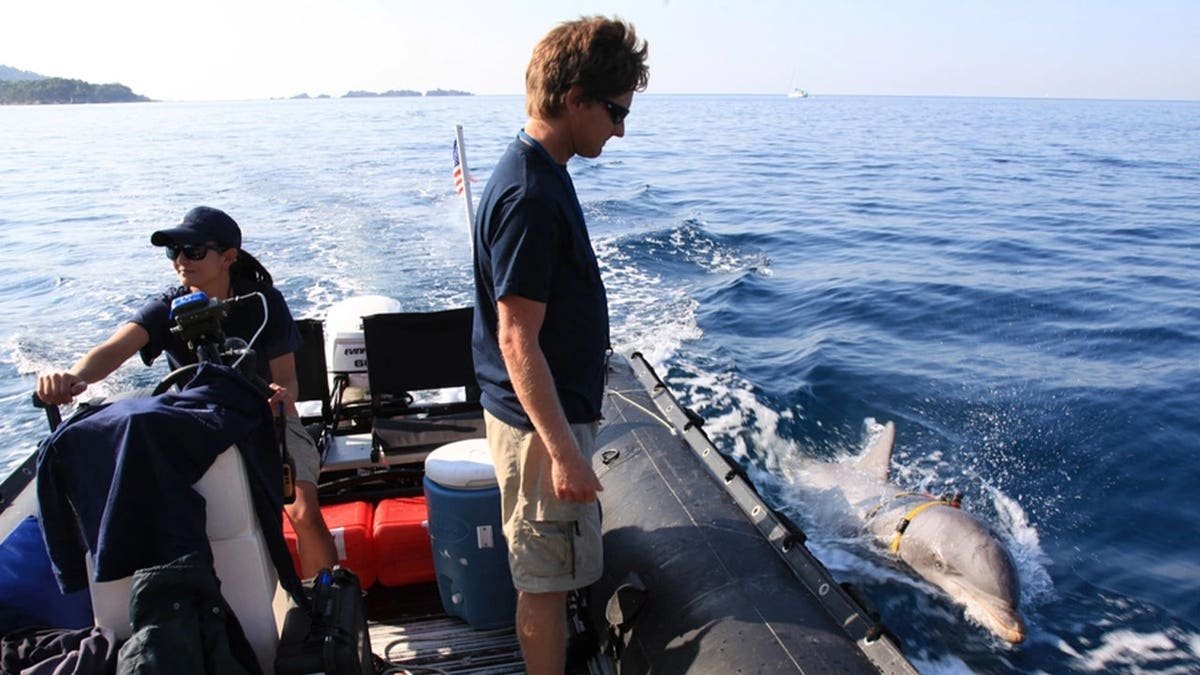
Military dolphins are trained to detect and mark threats, not strike them — and unlike guided weapons, they cannot be directed in real time once deployed.
CLICK HERE TO DOWNLOAD THE FOX NEWS APP
The Strait of Hormuz, one of the world’s most heavily trafficked maritime chokepoints, would make such a tactic especially difficult to execute, given the volume of commercial and military traffic moving through the narrow passage.
The speculation comes amid heightened tensions in the region, where Iran has historically relied on asymmetric tactics such as naval mines, drones and fast-attack boats to threaten shipping.
Read the full article here