






 Markets
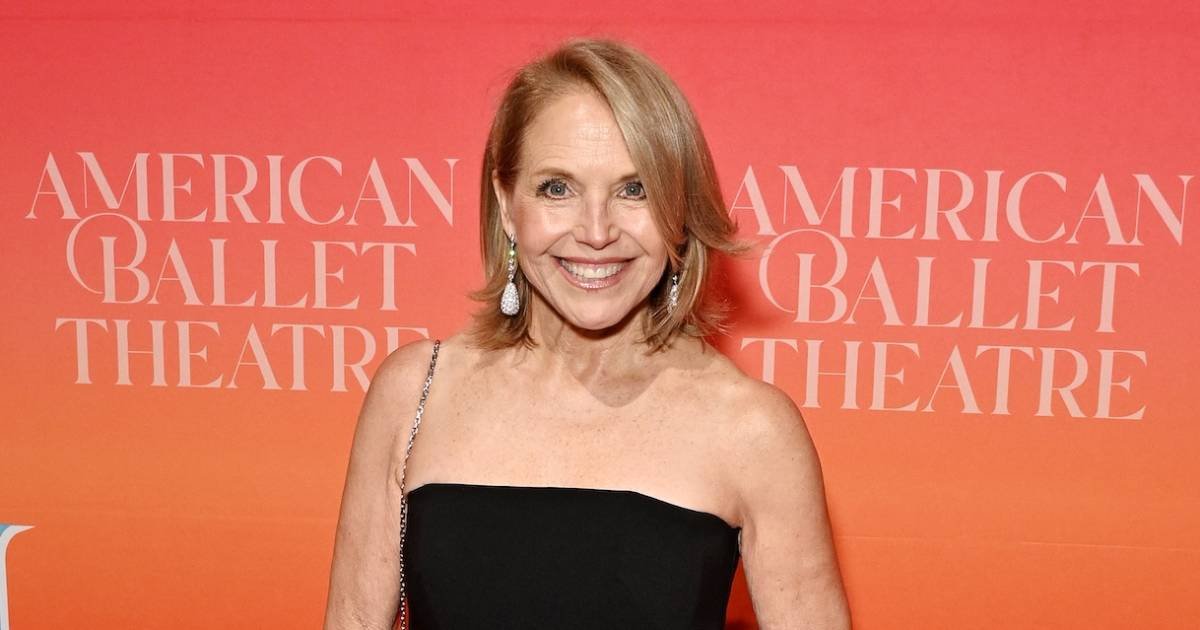
Katie Couric experienced widespread sexism throughout her career, especially when it came to her body.
“I graduated from college in 1979 and so I started working in television news in the early ‘80s,” Couric, 69, recalled during the Wednesday, June 24, episode of the “Call Her Daddy” podcast. “I was an intern at a radio station in Washington and I walked in, I went back to say hello. I was graduating and I was trying to maintain relationships. I wasn’t quite sure what I was gonna do.”
She continued. “The general manager of the station, I went and said hi. And he said, ‘Are you on the pill?’ And I said, ‘Excuse me?’ He said, ‘Well, your breasts look much bigger than they did last summer.’ Can you imagine?”
Couric said she was “so taken back” by the comment.
Couric told podcast host Alex Cooper that she’s been thinking about this time in her life a lot lately while rewatching Mad Men with her husband, John Molner.
“I watched some of the stuff that was going on back then and I’m like, ‘Oh yeah, I, kind of, came of age in this Mad Men era.’ It wasn’t as bad as it was, exactly,” she explained.
While that was the first time the legendary newscaster experienced that type of sexism, it was hardly the last.
“At CNN … I walked into an executive story meeting a production meeting in the morning and I was filling in for the producer who was on vacation,” she recalled. “[An executive] said something like, ‘That’s not like Katie. She’s been successful because of her hard work, her writing skills and her breast size.’ This was a big table surrounded by male executives.”
Couric said the experience was “so crazy” because CNN was “a startup” at the time, so she was surrounded by “pretty young” men.
Late news anchor Don Farmer, who Couric worked with at the time, helped her write a “memo” about the experience.
“I was so flummoxed. I said, ‘This just happened,’” she recalled. “He got on his little Smith Corona typewriter. Together, we wrote this memo saying, ‘What you said to me was inappropriate, insulting, sexist and totally unacceptable. I expect an apology immediately. If you do that, we can keep this between us.’ In other words, I’m not gonna go to — I don’t even know if they had human resources back then.”
Without Farmer’s help, Couric admitted she “wouldn’t have known what to do” about the situation.
“He helped me realize the importance of standing up for yourself. It was a life lesson that extended way beyond that incident,” Couric added. “I really owe him a lot and I’ve always really been grateful to him for that.”
Read the full article here