





 Markets
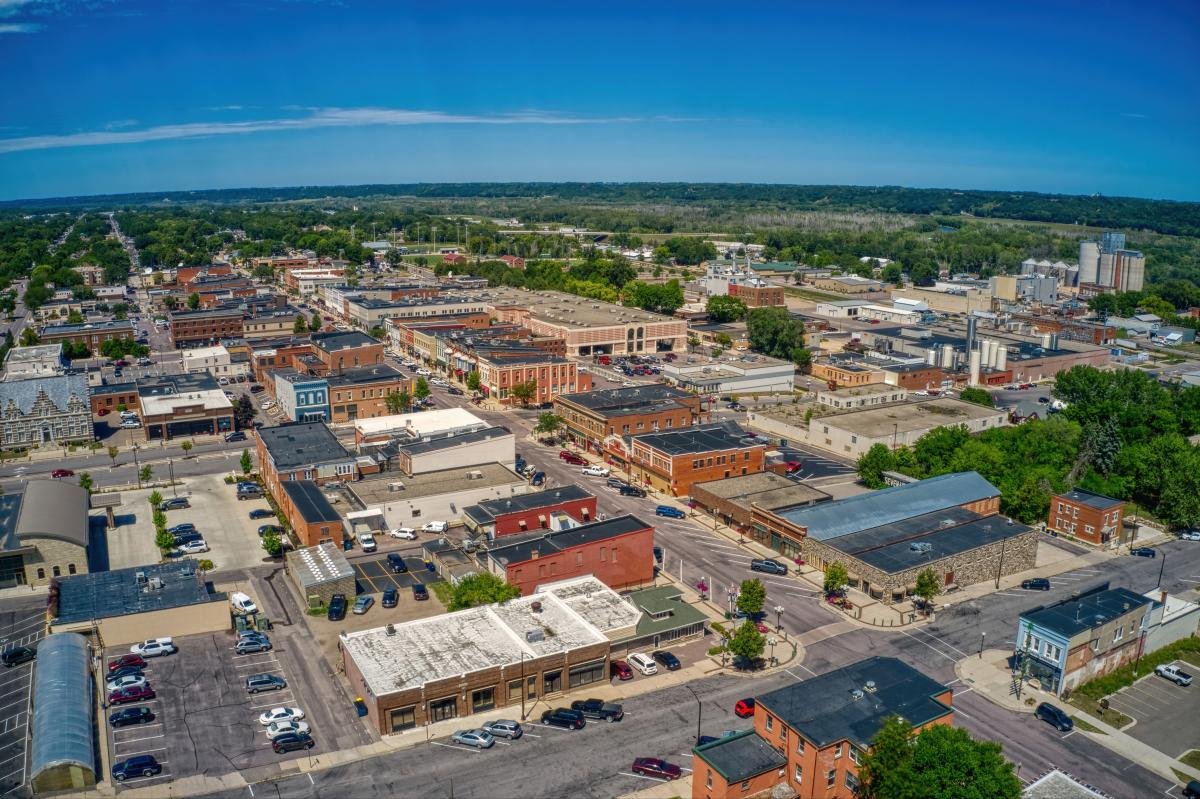
A Minnesota town once rated the country’s “city of least diversity” is still overwhelmingly white — but its population has been frozen for the last 50 years, while the rest of the state grew in size and diversity.
New Ulm — a small town about 100 miles southwest of Minneapolis — is about 93% white across its population of 13,863 residents, US Census estimates show.
The city is so homogenous that nearly every person in the tiny town is of German ancestry, with the language still spoken in many households, according to the Minnesota Star Tribune.
New Ulm is so well known for its lack of diversity that a National Geographic study from the 1980s found it to be the least diverse city of its size in the entire country — where it was found to be 99.2% white.
That number has changed over the last dive decades — diversity has increased by 6% — but its population has been almost untouched during that time, with the 1980 population clocking in around 13,755.
The population across the rest of Minnesota by comparison has increased nearly by 2 million people during that time — with its diversity increasing from 96% white in 1980 to about 76% white in 2025.
New Ulm is also far behind the national diversity average, which hovers around 57% white.
Its slight gains in diversity have dropped it from the country’s least diverse spot, however, landing it as the 15th least diverse city of its size today.
St. Marys, PA — another Germanic enclave — is now the country’s least diverse city of its size with about 95% of the 12,700-person population being white.
The small Pennsylvania city’s population has nearly doubled since 1980, by comparison to the stagnant New Ulm.
Part of what historically drove the lack of diversity in New Ulm was how tightly the community clung to its German roots.
“You were coming into New Ulm and predominantly the people spoke German and practiced German traditions and [if] you weren’t German,” longtime New Ulm resident Darla Gebhard, 76, whose grandparents and parents all spoke German at home, told the Star-Tribune.
“I’m sure you feel … like an outsider until you assimilated or got to know people,” Gebhard said.
New Ulm’s German residents also tended to become farmers on their own land, with property being passed down through generations who remained or returned to work the fields.
And while the intensity of those traditions has waned, New Ulm still leans into its German identity as a key part of its tourism industry — with German restaurants and festivals becoming a key part of the local economy.
“Why do we cling to our German identity today? It’s because it is worth money,” said Gebhard. “It’s a business.”
Read the full article here