



 Markets
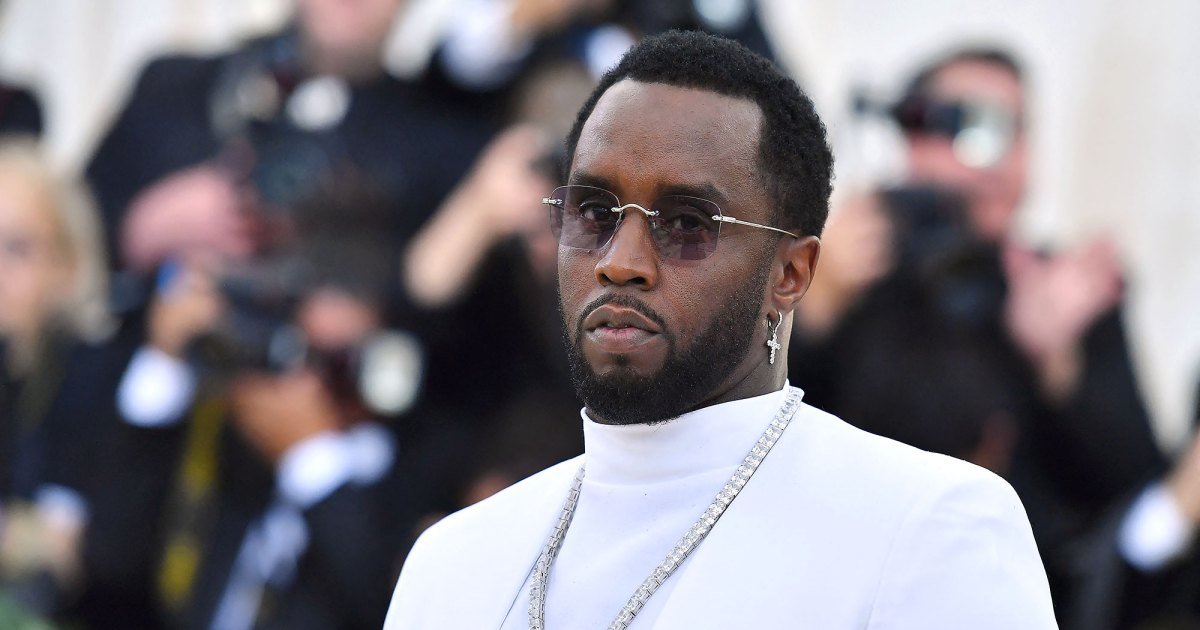
Nearly a year after Sean “Diddy” Combs’ explosive trial began — a courtroom spectacle filled with disturbing testimony, shocking allegations and lurid details about the music mogul’s personal life — the once untouchable hip-hop titan is living a dramatically different reality. Gone are the private jets, lavish parties, sprawling mansions and celebrity entourages. These days, Combs wakes up inside Fort Dix, a low-security federal prison in southern New Jersey, where he spends his time shelving library books, exercising in the yard and anxiously awaiting the outcome of a high-stakes appeal that could determine the rest of his future.
In early April, three judges from the Second U.S. Circuit Court of Appeals in New York City spent roughly two hours hearing arguments from Combs’ legal team, which is seeking to overturn his conviction. The rapper, 56, was convicted on two counts of transportation for prostitution last July and began serving his 50-month sentence in late October. His attorneys argue the punishment was unfairly harsh and claim recordings from Combs’ infamous freak-offs were attempts at amateur pornography protected by the First Amendment. Nearly two months later, no decision has been made, and one judge described it as an “exceptionally difficult case.”
In the meantime, Combs has spent the past seven months adjusting to life behind bars. According to his lawyer, Juda Engelmayer, the father of seven — Quincy, 35, Justin, 32, Christian, 28, Chance, 19, twins D’Lila and Jessie, 19, and Love, 3 — has remained “remarkably positive” and “hopeful” as he awaits word on the appeal. (Engelmayer notes the court agreed to expedite the decision, which could come at any time.) “He’s focused on the appeal,” Engelmayer tells Us Weekly, “and looking back at his life and trying to figure out ways to improve and be a better person.”
If Combs wins his appeal, he could receive a reduced sentence or even a new trial, explains Neama Rahmani, CEO of West Coast Trial Lawyers. In court filings, Combs’ attorneys argued that footage from the freak-offs — marathon sex parties in which Combs allegedly forced women to perform sex acts with male sex workers while he watched — should be considered “amateur pornography,” which is protected under freedom of speech in the U.S. Constitution. They also maintain he was wrongfully convicted under the Mann Act, which prohibits transporting individuals across state lines for prostitution, and insist the encounters were consensual.
Federal prosecutors pushed back aggressively. In a February filing, they argued Combs wants the court to ignore “how he carried out his offenses and abused his victims — violently beating them, threatening them, lying to them and plying them with drugs.” In a letter to Judge Arun Subramanian presented prior to Combs’ sentencing, his ex-girlfriend Cassie Ventura said she did not freely consent to participating in freak-offs. “While the jury did not seem to understand or believe that I engaged in freak-offs because of the force and coercion the defendant used against me, I know that is the truth… these events were degrading and disgusting, leaving me with infections, illnesses and days of physical and emotional exhaustion before he demanded it all again.”
Combs’ legal team has also argued the judge improperly increased his sentence based on allegations tied to the sex trafficking and racketeering charges — counts for which he was acquitted. During sentencing, however, Subramanian insisted that was not the case, saying Combs was being sentenced based on “the offenses of conviction, not the crimes he was acquitted of,” adding, “However, under law, the court shall consider the nature of the offense and characteristics of the defendant.”
Rahmani believes the appeals panel could issue a decision this summer. “We’re dealing with a high-profile case that raises potentially precedent-setting issues related to acquitted conduct that may ultimately end up before the Supreme Court,” he explains. If Combs loses, he can request that the full Second Circuit Court of Appeals hear the case or petition the Supreme Court directly. “But neither of them have to hear the appeal,” Rahmani says. “It’s optional.”
Combs is “hoping for a good outcome,” says Engelmayer, noting that the music mogul has been very hands-on with his case. “He’s become like a paralegal, if not a lawyer already,” he adds. “My experience [is that] clients who are deeply involved in their cases are the ones who get further.”
The Bad Boy Records founder has been keeping a low profile at Fort Dix, which features a dormitory-like setting with military-style bunk beds and communal bathrooms — a far cry from Combs’ former life in his $48 million Miami mansion and $62 million Los Angeles estate. A former inmate who spent 17 months at Fort Dix between 2019 and 2020 previously described conditions inside the facility as grim. “There’s one bathroom per floor with toilets and showers and everything is broken. A lot of the food is expired. It’s horrible. They don’t care,” he told Us. “I was there a day and a half, and I [told a] kid [I just met], ‘This isn’t a jail, this is an insane asylum!’ and he agreed. It was a zoo.”
According to Engelmayer, Combs is blending in. “He’s trying to be one of the guys. He’s congenial and helpful,” he says, adding that while some of his fellow inmates look up to the Grammy winner “because of his celebrity,” he “doesn’t play that up. He sits down one-on-one with people [and] talks to them and helps counsel some of them. He has a following and people like him [but] he also spends a lot of time by himself.” Last November, Joe Giudice, who previously served his 41-month sentence for fraud at Fort Dix, told Us that Combs’ fate “depends on how he carries himself. As long as he keeps a low profile and doesn’t try to act like a big shot, he’ll be fine.”
Combs — whose net worth was estimated at $400 million in 2023 — now works in the prison library, shelving books, organizing materials and helping inmates find reading recommendations. “He talks to inmates about what they want to read so he can recommend things to them,” Engelmayer tells Us. (According to the Federal Bureau of Prisons website, prison jobs typically pay between 12 and 40 cents an hour.)
During downtime, Combs works out regularly in the prison gym and walks laps around the prison grounds. “If he’s in the yard, he tries to play basketball,” Engelmayer says, adding that the rapper “isn’t looking to become jacked — he just wants to stay healthy and keep his mind healthy.” Combs also “meditates and prays,” Engelmayer continues. “[That’s] become part of his faith and therapy journey.”
As part of his sentence, Combs is participating in Fort Dix’s Residential Drug Abuse Program (RDAP). Following his September 2024 arrest, federal agents said they found ketamine, MDMA and prescription drugs in his NYC hotel room. During the nearly eight-week trial, Combs’ former employees testified that they were tasked with procuring illegal substances, including cocaine and marijuana, for the mogul. In a letter submitted to the judge before sentencing, Combs admitted he had “lost his way” in “drugs and excess.”
Attorney Scott Rosenblum of Rosenblum, Schwartz & Fry tells Us that if Combs completes his RDAP successfully, “he is likely to get a year off his sentence.” Rahmani adds that the rapper can also get 15 percent credit “for good behavior” through the rehabilitation program, which helps explain why his projected release date has shifted. Combs was initially scheduled for release on June 4, 2028, but is now expected to leave prison on April 25, 2028.
Even beyond the legal battle, Combs faces another challenge: attempting to repair his reputation. “The black cloud over [Combs’] future is the way he’s viewed and being seen by the public, and the way some people are taking shots at him,” says Engelmayer, “which he wants to correct.”
In December, rapper 50 Cent released the Netflix docuseries Sean Combs: The Reckoning, which explored Combs’ allegedly ruthless and violent rise to power. Through his rep, the music mogul called the series a “shameful hit piece,” and his legal team later sent Netflix a cease-and-desist letter alleging the streamer used stolen footage filmed in the months before his 2024 arrest. “I’m not doing this as some personal mission,” 50 Cent (real name Curtis Jackson) told Us in November of producing the doc on his longtime rival. “When this story evolved, it was clear there was a bigger conversation happening.”
For Combs, the constant headlines have been difficult to escape. “It’s not easy to read stuff about yourself on a regular basis,” says Engelmayer. “They do have television [at Fort Dix]. It hurts, but he’s being very strong.”
There have been additional documentaries examining the allegations against Combs as well. In late April, a judge dismissed the rapper’s $100 million defamation lawsuit against Peacock and NBCUniversal over their January 2025 documentary Diddy: The Making of a Bad Boy, ruling that his reputation had already been severely tarnished long before the project’s release. Engelmayer says Combs wants to “show people who he really is, but he also knows there’s a time and a place for [that].”
Public defenders remain scarce, though a handful of industry figures have continued to support him. In a March interview with Forbes, R&B singer Usher defended his former mentor’s legacy, saying he still recognizes the “valuable contributions” Combs made to music and culture. “I don’t have anything negative to say about Sean Combs because my experience was not what the world has seen,” Usher said, “and how he’s been misrepresented.”
Combs’ family also remains in his corner. He talks to his children and his mom, Janice, “regularly,” and they have visited him at Fort Dix, says Engelmayer, adding that Combs hopes to make up for lost time when he’s released. “He wants to spend more time with family, being a better friend, father, and son.”
In a letter submitted to the judge before his sentencing, Combs wrote he was “committed to the journey of remaining a drug-free, nonviolent and peaceful person.” Ventura, however, painted a starkly different picture in her own statement to the court, writing that her ex had “no interest in changing or becoming better.” She added, “He will always be the same cruel, power-hungry, manipulative man that he is. Who he was to me — the manipulator, the aggressor, the abuser, the trafficker — is who he is as a human.”
Engelmayer insists Combs is focused on rebuilding his life. According to the attorney, the mogul has become interested in prison reform and “wants to [somehow] be involved” in advocacy in the future. During his detainment at Brooklyn’s Metropolitan Detention Center, where he was held for over 13 months following his arrest, Combs taught a business class called Free Game With Diddy, though Engelmayer says he doesn’t believe he’s set up the class at Fort Dix. Adds Engelmayer: “His immediate focus is getting out and righting his wrongs.”
But even after prison, Combs’ legal troubles will continue. He is currently facing more than 50 civil lawsuits, many involving allegations of sexual misconduct. The cases could result in major financial settlements, though not additional jail time. Among the accusers is producer Rodney “Lil Rod” Jones, who claims Combs repeatedly groped him and forced him to solicit sex workers. (A judge dismissed five of Jones’ nine claims last March.) Former Danity Kane member Dawn Richard has accused Combs of sexual assault and battery, while a woman named Joi Dickerson-Neal alleges he drugged and raped her when she was a college student. Combs has denied all allegations against him in the civil filings.
Despite the legal battles and damage to his reputation, Engelmayer believes it would be premature to rule out a future comeback. “I’m not saying for sure he will,” the attorney tells Us, “but he’s got a lot of years left in him. You can’t count him out.”
For more on Diddy, watch the exclusive video above and pick up the latest issue of Us Weekly — on newsstands now.
Read the full article here