




 Markets
NEWYou can now listen to Fox News articles!
The U.S. is choking off Iran’s oil exports through the Strait of Hormuz. But the routes meant to shield other Gulf producers from that disruption are now coming under pressure themselves.
A drone attack last week badly damaged Saudi Arabia’s East-West Pipeline, a critical bypass that carries crude oil across the kingdom to the Red Sea. Repairs could leave it largely out of service for three to five weeks after it had been moving roughly 2.6 million to 4 million barrels per day in recent weeks.
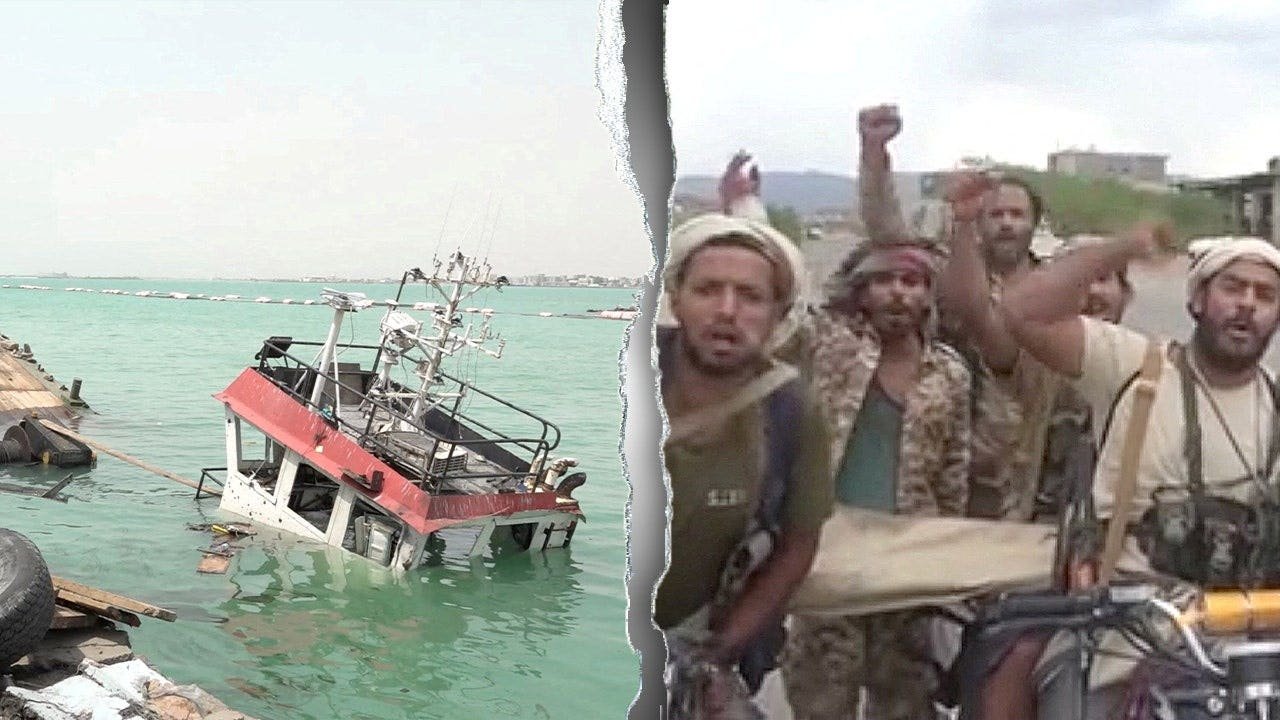
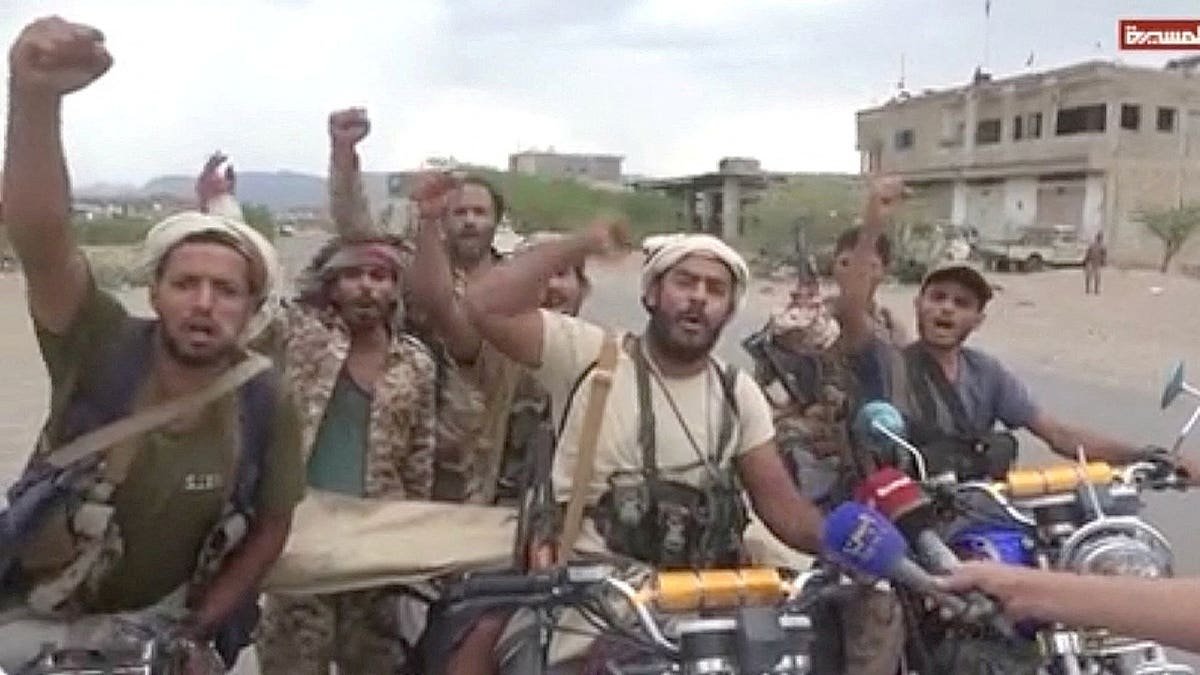
At the same time, Iran-backed Houthi rebels have seized additional territory and strategic islands around the Bab el-Mandeb Strait — which connects the Red Sea to the Gulf of Aden and the Indian Ocean — adding pressure to another major shipping route already battered by years of attacks.
And those repeated disruptions are already reaching American consumers.
NEW RISK FOR US CONSUMERS AS IRAN-BACKED ATTACKS THREATEN A SECOND MAJOR OIL CHOKEPOINT
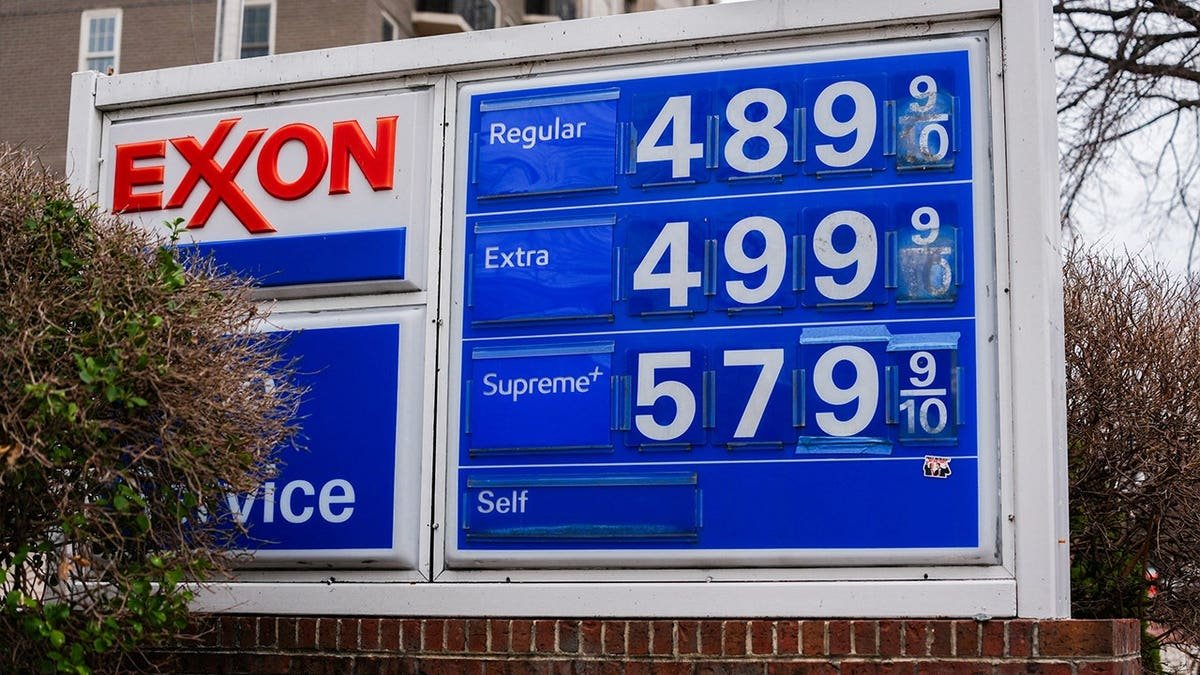
U.S. diesel prices hit a record national average of $6.23 a gallon Monday, according to AAA, while regular gasoline averaged $4.32. Brent crude climbed as high as roughly $110 a barrel during the day.
Washington has sharply curtailed Iran’s oil exports and trade, but the wider conflict is still disrupting energy supplies elsewhere in the region, especially as Iran-backed Houthi rebels strengthen their stance along the coastline in Yemen.
THE OVERLOOKED WAY THE IRAN WAR IS MAKING GROCERIES, AMAZON PACKAGES AND NEW HOMES MORE EXPENSIVE
The question now is whether Iran is hurting enough to make the concessions Trump wants — and how much economic damage Tehran and its allies can still inflict while it holds out.
The economic pressure on Tehran is mounting.
Iran has gone weeks without sending meaningful new crude exports through Hormuz. Since the United States reinstated its naval blockade July 14, no Iranian crude cargoes have successfully crossed the strait to China, Tehran’s largest remaining oil customer, according to Kpler, Vortexa and TankerTrackers.com.
Iranian crude and condensate loadings fell to roughly 220,000 to 255,000 barrels per day in August, down from about 740,000 in July and roughly 2 million in March.
Commercial shipping through Hormuz also remains deeply disrupted. Recent readings from Kpler, which tracks real-time data on global commodity flows and maritime shipping, have repeatedly put visible commodity-vessel transits in the single digits, even as the U.S. has worked to restore some movement through the waterway.
Miad Maleki, a senior fellow with the Foundation for Defense of Democracies, said the pressure is increasingly reaching beyond Iran’s oil industry and into the broader economy.
HORMUZ CRISIS HIDES A DEEPER OIL THREAT THAT COULD OUTLAST THE WAR
“There are a series of indications” that the pressure is working, Maleki told Fox News Digital, citing the combined effect of sanctions, the naval blockade and growing diplomatic isolation.
Iran depends heavily on trade through the United Arab Emirates and Turkey, Maleki said, and restrictions on those channels are making it harder to obtain foreign currency and essential imports.
Gasoline could become an especially difficult pressure point.
Iran remains one of the world’s major crude producers but lacks sufficient refining capacity to meet its own demand, leaving it dependent on imports that have become more difficult to secure.
The regime can cushion some of the financial blow by continuing to print currency and pay salaries, Maleki said, allowing inflation to absorb part of the pressure rather than immediately cutting government payrolls.
Physical shortages are harder to solve.
But that does not necessarily mean Tehran has deliberately substituted the Bab el-Mandeb for Hormuz as a new source of leverage.
Iran expert Arash Azizi said Tehran has already been forced to recognize that its ability to dominate the Strait of Hormuz is weaker than it once claimed.
“Iran has realized that some of the leverage it has over the threat of Hormuz is gone,” Azizi told Fox News Digital.
“[Iran] is not able to close it effectively and is desperately trying to find a way to better its odds,” he said.
Azizi cautioned, however, against treating every Houthi move as part of a coordinated Iranian strategy to transfer pressure from the Persian Gulf to the Red Sea.
“Iran has limited control, and the Houthi-Saudi conflict has a dynamics of its own,” he said.
IRAN LOSES KEY ECONOMIC LIFELINE IN MIDDLE EAST THAT TRUMP’S SANCTIONS COULDN’T REACH AS DEADLOCK PERSISTS
Iran encourages and materially supports the Houthis, Azizi said, but does not exercise full operational control over the group.
That distinction matters as the Houthis strengthen their position around Bab el-Mandeb.
Their capture of Mayun Island, the port of Mokha and, most recently, the Greater and Lesser Hanish islands has expanded their reach around one of the world’s most important shipping corridors. Yet the group has continued to allow many vessels to pass rather than attempting a total closure of the strait.
Azizi described the instability there as a “double-edged sword” for Tehran.
Pressure on shipping and Saudi energy infrastructure can raise costs for Iran’s adversaries and increase anxiety in global oil markets. But a broader regional conflict can also make it harder for Tehran to achieve what Azizi described as its overriding objective: ending the war, preserving the Islamic Republic and beginning reconstruction.
For Tehran, he said, the immediate goal is therefore less about opening a new front than improving the terms on which it can end the current one.
Iran wants “some sort of a deal that puts an end to the war,” preserves the Islamic Republic and allows it to begin postwar reconstruction, Azizi said.
That shifts the central question back to Washington.
The Trump administration has demonstrated that it can inflict severe economic pressure on Iran. What remains unclear is whether additional pressure produces the concessions Washington wants — and whether the costs Iran and its regional allies can still impose improve Tehran’s bargaining position or deepen its isolation.
Azizi believes Tehran may already be prepared to move.
“I think Iran is ready to make concessions,” he said. “The question is, what concessions the United States would find acceptable?”
He said Iran’s negotiating position has already softened from earlier in the conflict, when Tehran claimed sweeping authority over traffic through Hormuz.
The regime’s principal red line now, he argued, is its own survival.
Some Iranian officials may still believe continued pressure on energy markets and the U.S. economy could improve Tehran’s hand, particularly ahead of the midterm elections, Azizi said. But the imbalance in economic pain remains stark.
“We are not hurting. Our daily life is not affected in a crazy manner by this war,” he said of Americans. “Iran is hurting a lot more than the United States.”
“Iran is selling no oil,” Azizi added.
Azizi said the blockade, more than the administration’s latest sanctions package alone, has fundamentally worsened Iran’s outlook by restricting trade while leaving businesses with little idea when normal commercial activity might resume.
CLICK HERE TO DOWNLOAD THE FOX NEWS APP
Maleki similarly said the regime can absorb inflation and financial losses for some time without immediately buckling. The more difficult test comes when financial pressure becomes physical scarcity.
That makes the next phase of the U.S. campaign less about proving that Iran is hurting than determining whether Washington can turn that pain into an acceptable deal before Tehran or its regional allies find new ways to raise the cost of holding out.
“They can keep printing rial,” Maleki said. “But they can’t print gasoline.”
Read the full article here