




 Markets
  Weather

Every year hundreds of children aged 10 to 13 years are locked up in youth prisons across the country and many more are arrested and processed through the courts. This isn’t an issue that affects children equally. Aboriginal communities are hit hardest by these unjust laws.
Locking primary school age children in prison harms them, disrupts their education and increases the risk of further involvement in crime. It goes against medical advice and is out of step with global human rights standards.
If we want to close the widening gap on Aboriginal overimprisonment, this must change. The Australian government could show national leadership by increasing the minimum age of criminal responsibility in Commonwealth law to 14 years and encourage the states and territories to follow.
For years, we have been recommending that Australian governments raise the age in line with international human rights standards.
Since 2021, the Human Rights Commission has been recommending that the government raise the age of criminal responsibility from 10 to at least 14 years of age.
Each state and territory, as well as the national government, sets the age at which children can be held responsible for a crime in their respective jurisdictions. Since 2021, only the ACT has raised it to 14 years, with some exceptions. Victoria raised it to 12 years of age but walked back on a promise to raise it to 14. All other jurisdictions remain at 10.
More than ever, Australia needs to step up and lead on human rights both at home and abroad. This was a key takeaway as Australia’s human rights record was reviewed on the world stage at the United Nations in Geneva this week.
A total of 120 nations made over 350 recommendations to Australia. There were many clear themes; ensuring better outcomes for Aboriginal and Torres Strait Islander people; addressing racism and hate speech and protecting the rights of people with disability.
It’s important to acknowledge progress. Many nations recognised Australia’s positive action on gender equality and addressing violence against women and children but made clear that sustained and strengthened action is needed. The Australian government has also improved its efforts to cut climate pollution but a number of nations, particularly from the Pacific, rightly called on Australia to do more.
Australia’s review took place against the backdrop of a changing world order. The US has retreated from the UN system and is actively undermining it in places. Many nations have cut funding to the UN. Canadian Prime Minister Mark Carney’s speech at Davos last week captured global attention for its diagnosis of world affairs and call for middle powers to work together to advance shared interests including human rights.
What does this mean for Australia? Australia was an important contributor when the UN was established. We helped to draft the Universal Declaration of Human Rights, one of the pinnacles of human achievement. As a middle power, we have benefited from stronger global adherence to international law.
Supporting the international human rights system is not only the right thing for us to do, it’s in our national interest. Countries that respect human rights are more likely to be peaceful and prosperous. If we can work with the UN and partner nations to promote human rights, we spread that peace and prosperity.
But for Australia to lead with credibility on human rights, we need to improve our record at home. The Australian government should act on this UN review and accept and implement the recommendations.
One key recommendation was to adopt a national Human Rights Act. Australia has ratified all the major global human rights treaties, but we haven’t properly protected those rights in our domestic laws. A Human Rights Act would do this. It would require our national government to respect people’s rights. It would prevent human rights violations and give people the power to take action if their rights are breached. This long overdue reform is a missing piece of our democracy.
Australia has done a lot right on human rights. For most people, most of the time, Australia is a wonderful place to live. But there are clear human rights failures, from the profound inequality affecting Aboriginal and Torres Strait Islander people to our treatment of people in aged care and refugees. As a wealthy, stable democracy, we can and should do much better. It’s in our interests to do so. When human rights are respected, our communities are stronger, safer, healthier and more prosperous.
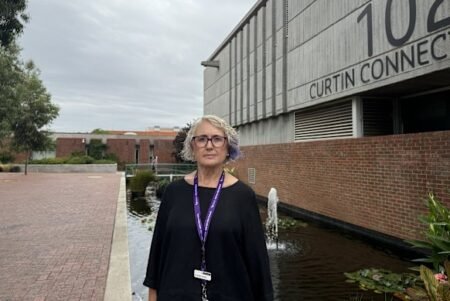
Hugh de Kretser is President of the Australian Human Rights Commission
Get a weekly wrap of views that will challenge, champion and inform your own. Sign up for our Opinion newsletter.
From our partners
Read the full article here