






 Markets
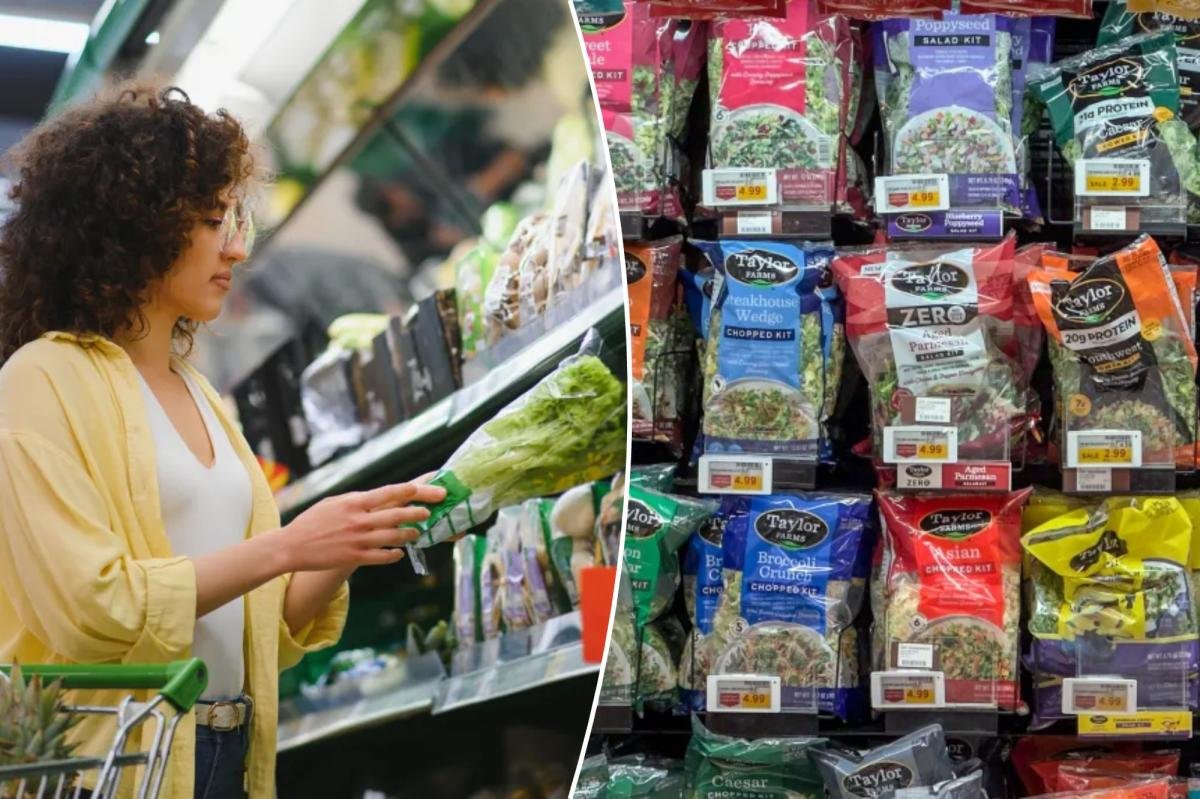
New day, new food scare.
E. coli and Listeria were already putting shoppers on edge. Now, Cyclospora — a parasite that cause explosive, watery diarrhea — has people wondering if anything in the produce aisle is safe.
If it feels like America’s food supply is under siege, you’re not imaging it. Foodborne illness outbreaks have dominated headlines this summer, leaving many consumers asking the same question: What can I eat?
The good news is that food safety experts say there are plenty of everyday foods that are highly unlikely to make you sick — even as health officials race to identify the sources behind the latest multistate outbreak.
Cyclospora has understandably become the latest source of anxiety, with cases surging across the country. Since May 1, the CDC has reported 1,645 U.S. cases and 141 hospitalizations nationwide. While Michigan has become the hardest-hit state, other states — including New York — are suffering too.
Officials have narrowed their search to lettuce in Michigan. The FDA is continuing to investigate whether American-based fruit and vegetable producer Taylor Farms is connected to the outbreak after retracting a positive test later deemed false. In other states, however, the source remains unknown, leaving a wide range of produce under scrutiny.
But Cyclospora isn’t the only pathogen worrying health officials — the FDA and CDC are also investigating multistate outbreaks of E. coli and Listeria.
The E. coli outbreak has been linked to recalled GreenWise organic frozen blueberries sold at Publix supermarkets. Most people infected with the bacteria develop severe stomach cramps, bloody diarrhea and vomiting. Some cases can lead to serious kidney complications requiring hospitalization.
Meanwhile, recalled soft cheeses sold by La Ceiba Foods Latin Market, Nelson & Isa Lacteos and all Clover Hill Dairy cheese products have been linked to a Listeria outbreak spanning several states.
The infection poses the greatest risk to pregnant people, adults 65 and older and those with weakened immune systems because it can spread beyond the gut and become life-threatening. As of June 26, the CDC had reported 12 illnesses, 10 hospitalizations and one death.
With veggies, fruit and cheese all setting off alarm bells, it would be enough to turn some shoppers off their lunch — literally.
Though experts skipping all raw food would be a “draconian” measure, anyone with a nervous stomach can rest easier picking food with the absolute least amount of risk.
So what is safe to eat?
Foods that are heat-treated, shelf-stable or naturally hostile to germs have some of the best food safety records, Bryan Quoc Le, food scientist and founder and CEO of Mendocino Food Consulting, told The Post.
“That is because pathogens cannot live in these environments,” he explained.
Foods that have a low pH and low water activity are also naturally resistant to bacterial contamination, while frozen and canned produce are generally safer than fresh produce.
Donald Schaffner, Department Chair of Food Science at Rutgers University and co-host of the “Food Safety Talk” podcast, told The Post that properly canned foods are among the safest options available.
When properly canned, virtually all of the microorganisms in these foods have been destroyed by the canning process, he said.
Asked which foods have the best food safety record despite public perception, Le pointed to candies, salted snacks, cereals, dried fruit, dried meat and canned foods.
Schaffner said the following list of foods would also likely be OK:
- Dry pasta
- Oats
- Breakfast cereal
- Flour after it’s baked or cooked (raw flour can contain E. coli)
- Crackers
- Pretzels
- Bread
- Sugar
- Salt
- Honey
- Cooking oils
- Vinegar
- Shelf-stable canned soups, beans, vegetables, tuna, salmon and chicken
- Shelf-stable boxed milk
- Pasteurized dairy products
Cyclospora, however, behaves differently than bacteria.
Unlike bacteria, virus and parasites don’t multiply in food, meaning factors like acidity, moisture or whether a food is canned or frozen don’t play much of a role once contamination occurs, Schaffner explained.
Instead, viruses and parasites typically contaminate food through unwashed hands or infected human waste — often via contaminated irrigation or wash water — before hitching a ride on the surface of fresh produce.
Le said consumers looking to play it safe over the next few weeks should consider avoiding fresh, uncooked produce, especially imported iceberg lettuce from Mexico. He also noted that cooking temperatures of 170 degrees Fahrenheit or higher kill Cyclospora, Listeria and E. coli.
Schaffner, however, cautioned against writing off fresh produce altogether.
“I’ve been eating a fresh salad almost every night since we started learning about the problems in Michigan and Ohio,” he said. “I think it’s very important to realize that most foods right now, or at any point, are not contaminated with pathogenic microorganisms.”
Read the full article here