





 Markets
Published on
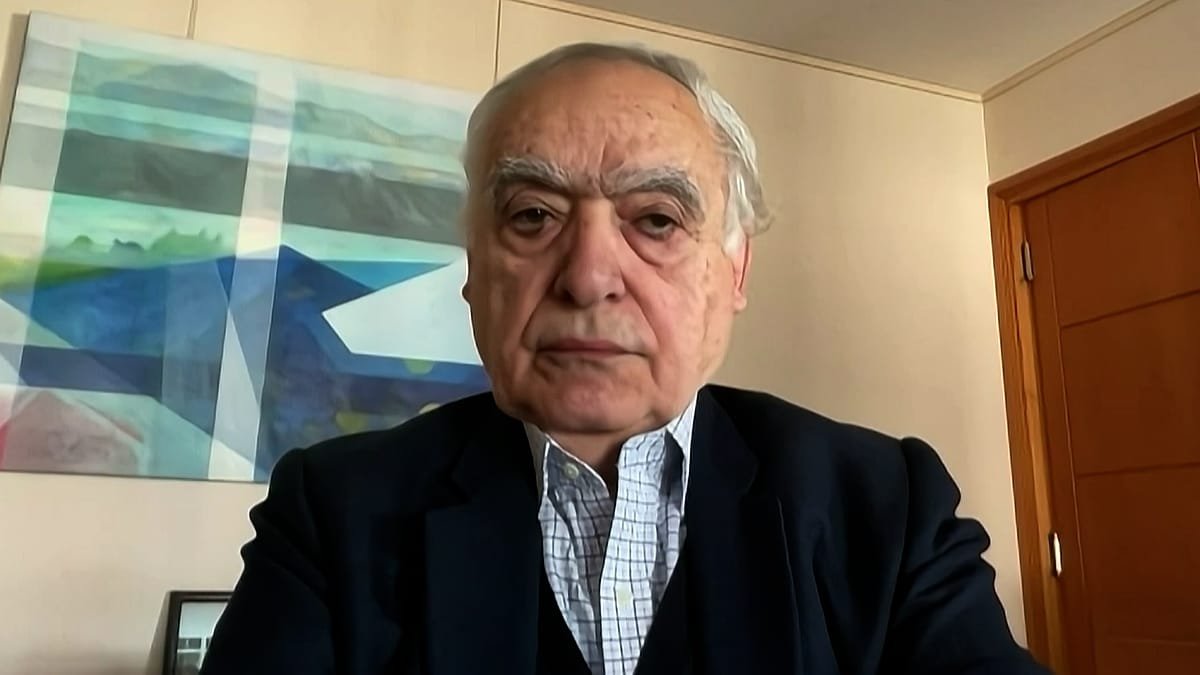
“An invasion,” not a limited operation: this is how the Lebanese culture minister Ghassan Salamé described the Israeli military campaign in his country, on Euronews’ morning show Europe Today on Friday.
Lebanon was drawn into the wider Iran war in early March when the Tehran-backed militia Hezbollah began firing rockets into Israel and Israel fired back.
In three weeks, the UN says over 1 million people have been internally displaced, and over 1,000 are dead, including scores of humanitarian and medical staff.
Lebanon now says Israel is “threatening Lebanon’s sovereignty” and will file a complaint with the UN Security Council in this regard.
Speaking exclusively to Euronews, Minister Salamé said the conflict had now entered a more dangerous phase, noting a “shift” in Israel’s strategy on the ground. He believes plans for a buffer zone south of the Litani river could amount to a long-term territorial grab.
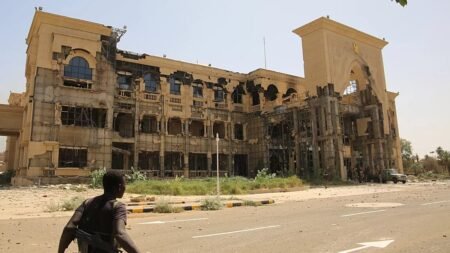
Salamé feels the current approach is different from previous buffer zones as now entire villages are being destroyed in South Lebanon, leaving no infrastructure or conditions for civilians to return.
He described how the humanitarian consequences were severe, with more than 1.1 million people displaced, roughly one in five Lebanese.
Israel shares a border with the southern part of Lebanon. That area is home to mainly Shia Muslims and traditionally a Hezbollah stronghold.
When asked if the Lebanese government is doing enough to support civilians, Salamé admitted that it was very complicated given the ongoing strikes.
Ambulances and aid convoys have been hit, complicating relief operations. He said the government has set up more than 700 shelters across the country.
Also hampering humanitarian aid is the fighting between Hezbollah and the Israeli army. Both sides have reported casualties, and Israeli civilians have lost their lives due to rockets fired by Hezbollah in northern Israel.
Lebanon has also attempted to open a diplomatic channel. Salamé told Euronews that the country’s president formally proposed negotiations with Israel weeks ago, but they have received no response.
Watch Europe Today every day from Monday to Friday at 8 am CET on Euronews and across all platforms.
Read the full article here