





 Markets
NEWYou can now listen to Fox News articles!
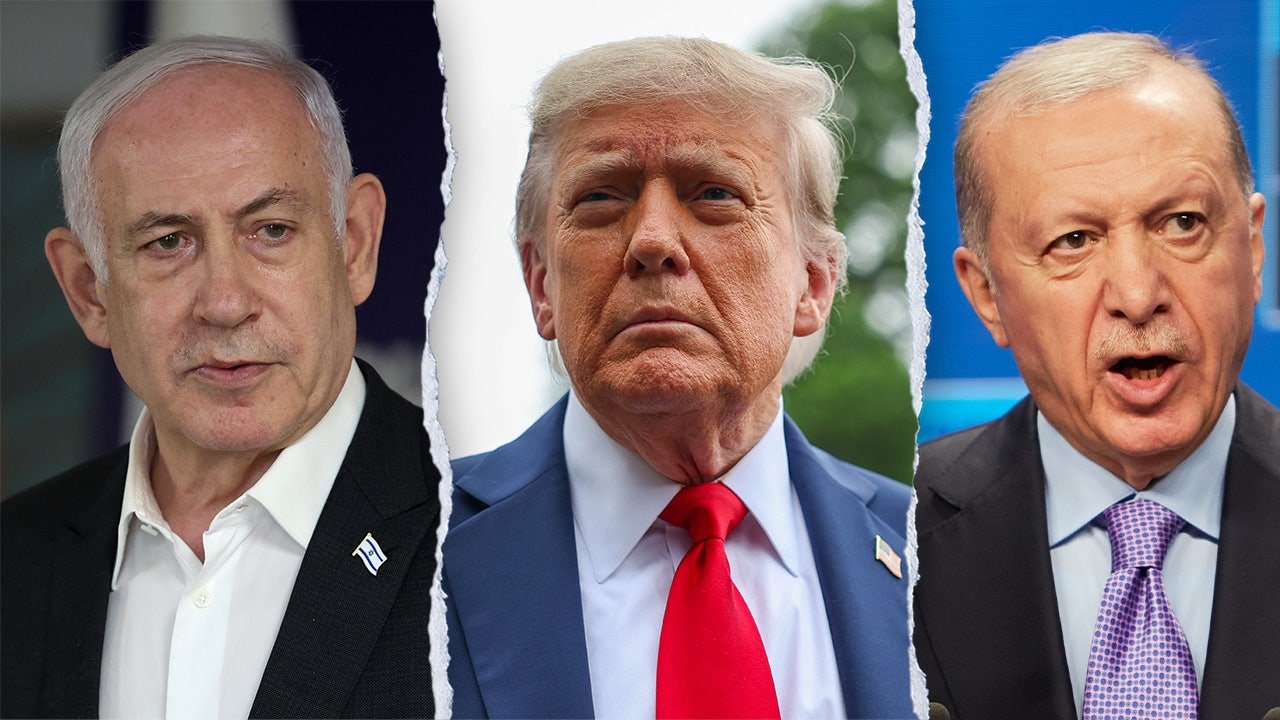
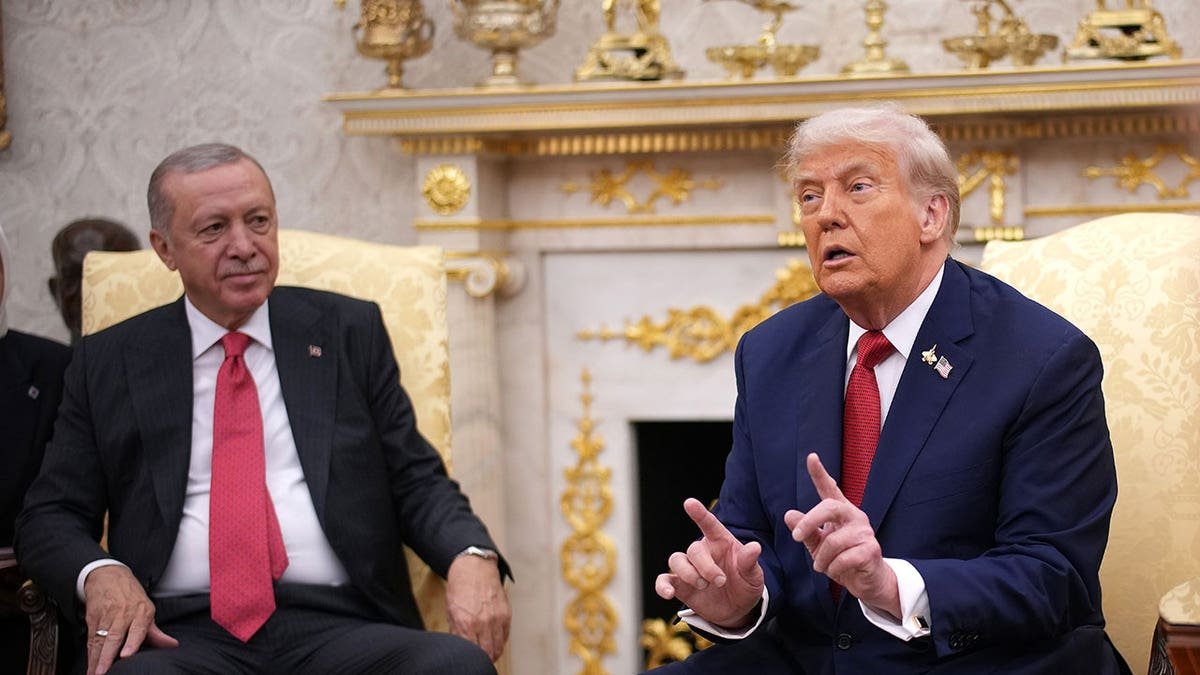
Tensions between Israel and Turkey are escalating sharply, with a war of words between Israeli Prime Minister Benjamin Netanyahu and Turkish President Recep Tayyip Erdoğan reaching new heights and placing President Donald Trump in an increasingly delicate position between the two sides as tension escalates.
The latest flare-up underscores a broader geopolitical clash about Iran, Gaza and regional influence, even as Washington attempts to maintain cooperation with both sides.
Turkey’s Foreign Minister Hakan Fidan accused Israel of deliberately seeking a new adversary following its confrontation with Iran, saying the Israeli government is attempting to portray Ankara as its next enemy.
“After Iran, Israel cannot live without an enemy,” Fidan said in a televised interview with the state-run Anadolu news agency. “We see that not only Netanyahu’s administration but also some figures in the opposition — though not all — are seeking to declare Turkey the new enemy,” he said.
TURKEY’S NATO ROLE UNDER SCRUTINY AMID NEW REPORT ON HAMAS, MUSLIM BROTHERHOOD TIES
The rhetoric reflects a sharp deterioration in relations that have been strained since Hamas’s Oct. 7, 2023, attack and the war in Gaza, but have now escalated into direct confrontation between the two leaders.
Netanyahu, in remarks posted on X Saturday, accused Erdogan of siding with Iran and its proxies, writing that Israel “will continue to fight Iran’s terror regime… unlike Erdogan who accommodates them and massacred his own Kurdish citizens.”
Erdogan has intensified his criticism of Israel’s military campaign, accusing its leadership of war crimes and backing international legal action against Israeli officials.
In one of the most incendiary exchanges, Turkey’s Foreign Ministry issued a statement claiming, “Netanyahu, who has been described as the Hitler of our time due to the crimes he has committed, is a well-known figure with a clear track record. An arrest warrant has been issued against Netanyahu by the International Criminal Court on charges of war crimes and crimes against humanity. Under Netanyahu’s administration, Israel is facing proceedings before the International Court of Justice on charges of genocide.”
The escalation has not been limited to rhetoric. Erdogan previously has suggested Turkey could take more assertive military action in the region, referencing past interventions, remarks that have raised alarms in Israel.
Israeli officials have responded forcefully.
Defense Minister Israel Katz has dismissed Erdogan’s threats as bluster, while officials warn that Turkey’s regional posture, particularly its engagement in Syria, is being closely monitored.
For both leaders, analysts say, the escalation also serves domestic goals. For Trump, the situation presents a growing challenge.
The administration relies on Israel as a central partner in confronting Iran, while also depending on Turkey, a NATO ally, for regional diplomacy and mediation efforts tied to ceasefire negotiations and broader Middle East strategy.
That balancing act has become increasingly difficult as tensions between Jerusalem and Ankara intensify.
ISRAEL UNMASKS IRAN-DIRECTED HAMAS CASH NETWORK IN TURKEY AS ANKARA PUSHES FOR GAZA ROLE
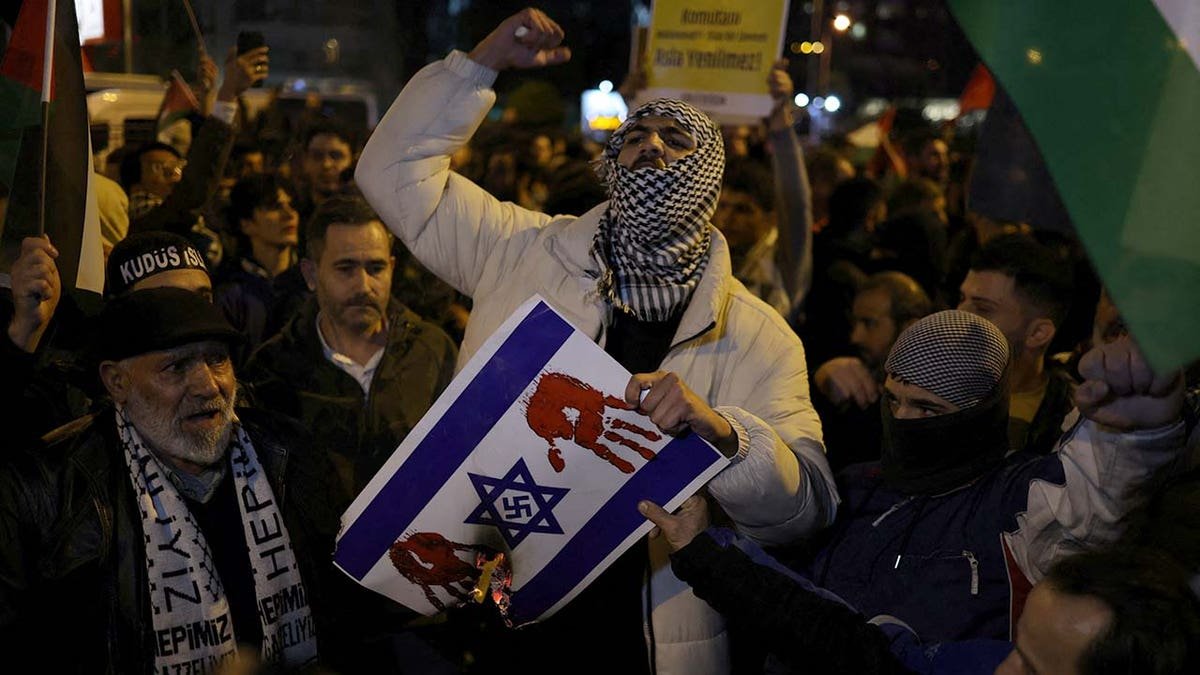
Gönül Tol, senior fellow at the Middle East Institute and author of “Erdogan’s War: A Strongman’s Struggle at Home and in Syria,” told Fox News Digital, “The Trump administration has played a role in making sure the two countries do not clash in Syria. How Turkey and Israel are managing their differences in Syria, where stakes are high for Erdogan, is telling. But this doesn’t mean the two will try to undermine each other’s interests from the eastern Mediterranean to Levant to Horn of Africa.”
“I think for both leaders, Netanyahu and Erdogan, escalating rhetoric serves a domestic purpose,” Gönül added, “Anti-Israeli and pro-Palestinian sentiment in Turkey is very strong. At a time when Erdogan is struggling to resolve the country’s growing economic problems, responding to Netanyahu’s statements harshly scores points domestically and burnishes his strong leader image. But I do not think this rhetoric will turn into direct military clashes between the countries. Despite their military presence and clashing interests, Turkey and Israel have a quiet understanding where each accepts the other’s sphere of influence in the country and try to deconflict.”
In a policy webinar hosted by the Jerusalem Institute for Strategy and Security, Turkish academic Hüseyin Bağcı argued Turkey’s ties with Washington limit the likelihood of direct conflict.
“The Turkish state is not interested in fighting with Israel because the Turkish government has very good relations with the United States of America,” he said. “You cannot be good with America and then be in conflict with Israel.”
TRUMP FACES MIDDLE EAST TEST AS NETANYAHU BALKS AT ERDOGAN’S GAZA TROOP HOPES
From the Israeli perspective, however, concerns center on actions rather than rhetoric.
Retired Israeli strategist Gabi Siboni said Turkey’s behavior in Syria is shaping threat perceptions.
“I don’t know what Erdogan thinks. I know what he does, and I see what we see in our area,” Siboni said in the webinar, adding, “There are true security concerns when we’re talking about what is happening in Syria. … Israel is not going to accept any type of military entrenchment of foreign actors.”
Bağcı maintained that the tensions are largely political.
“There is no structural conflict between Israel and Turkey,” he said. “The rhetoric is political … but the geography and the interests remain.”
The tensions are also being fueled by renewed friction over Gaza-bound aid flotillas, a long-standing flashpoint in Israel–Turkey relations.
A new Turkish-linked flotilla departed from Barcelona Monday, raising concerns in Israel about a repeat of past confrontations. The issue carries deep historical weight: in 2010, Israeli commandos boarded the Gaza flotilla raid, in which 10 were killed, triggering a years-long diplomatic rupture between the two countries.
CLICK HERE TO DOWNLOAD THE FOX NEWS APP
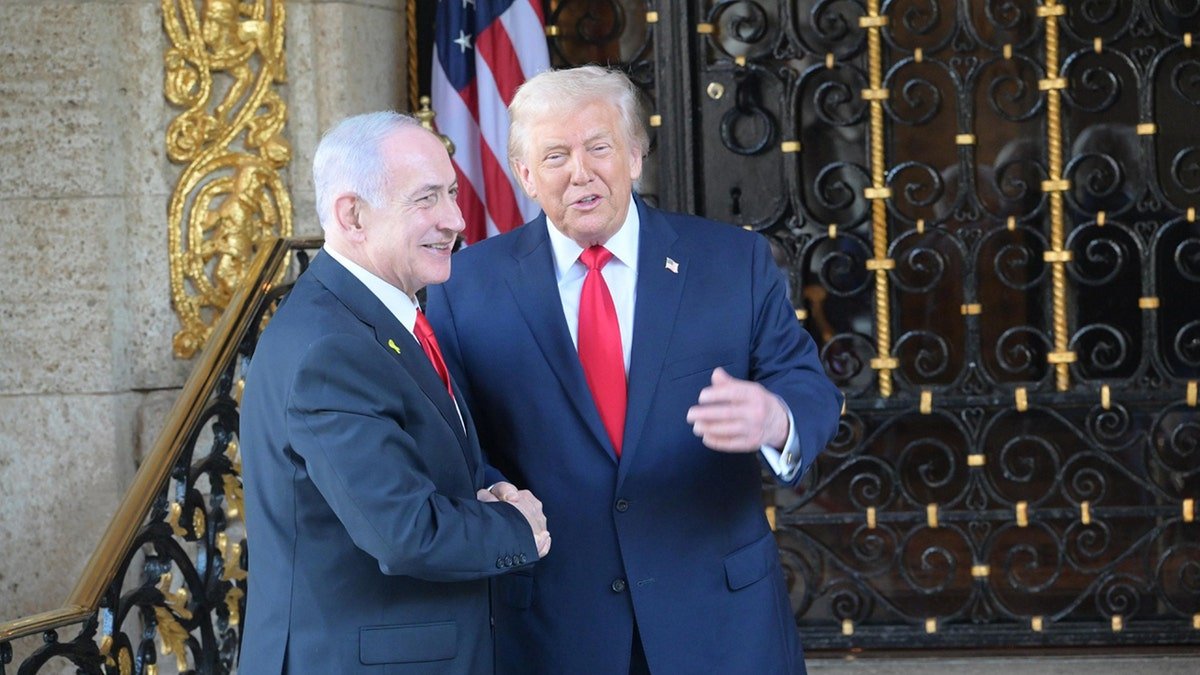
Recent reports that Turkish prosecutors are seeking prison sentences for Israeli officials, including Benjamin Netanyahu, over flotilla-related incidents have further escalated tensions, reinforcing how unresolved grievances continue to inflame the current crisis.
While the confrontation remains largely rhetorical for now, the sharp escalation in language, and the competing interests driving it, highlight the fragility of the regional landscape and the limits of Washington’s ability to keep both sides aligned.
Fox News Digital reached out to the Turkish Embassy in Washington, the Israeli Prime Minister’s Office, and the White House but did not receive a response in time for publication.
Read the full article here