





 Markets
NEWYou can now listen to Fox News articles!
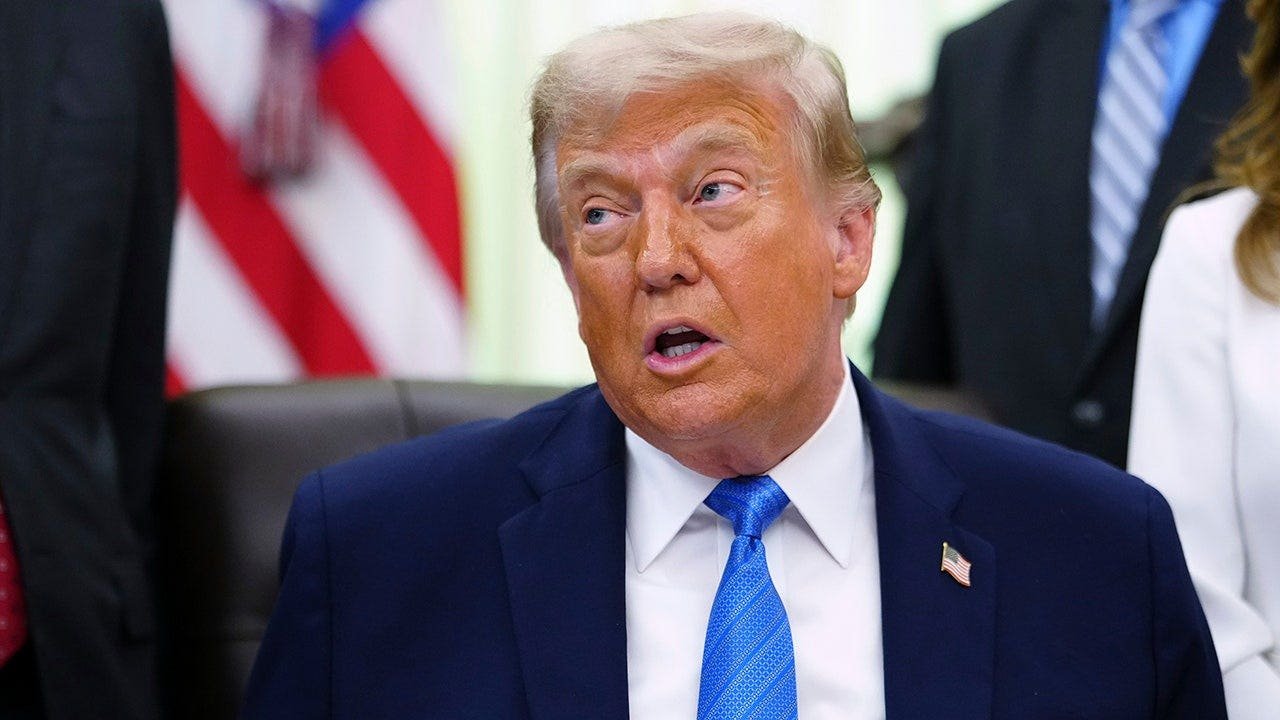
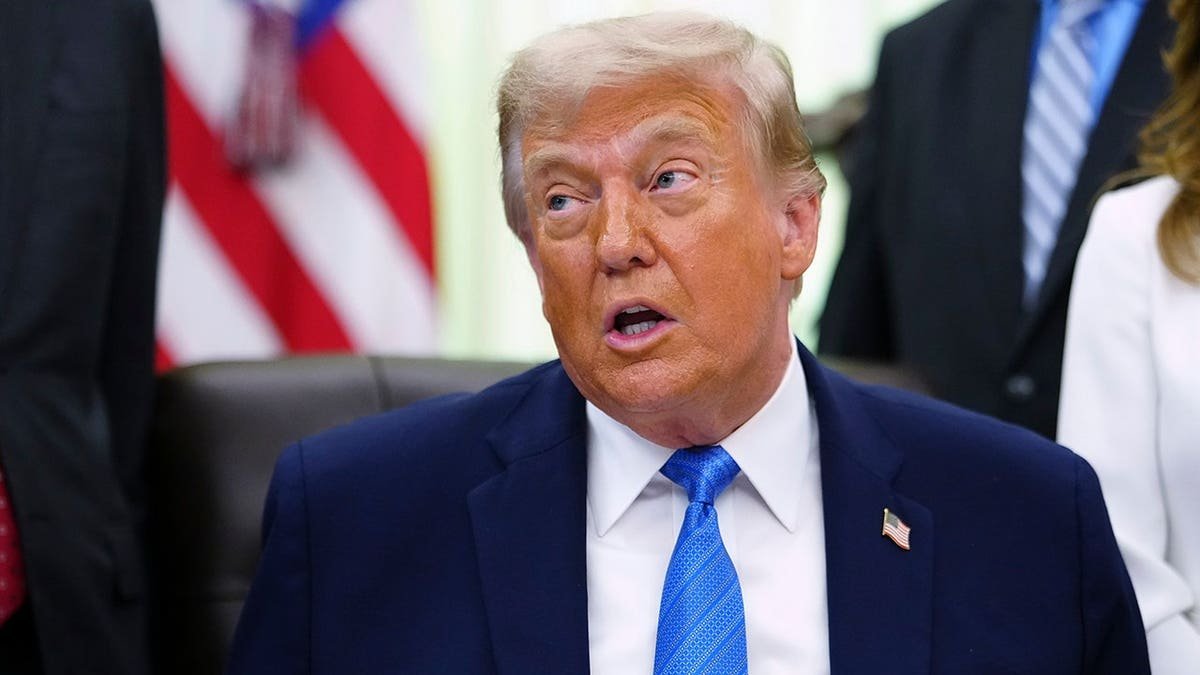
President Donald Trump wants Republicans to include his long-sought voter ID and citizenship verification legislation into a party-line package, but even the bill’s strongest backers don’t think it’s possible.
Trump last week demanded that Republicans get to work on a third budget reconciliation package, cramming $350 billion in defense spending along with the Safeguarding American Voter Eligibility (SAVE) America Act into one bill.
Republicans, fresh off passing their second reconciliation package to fund immigration enforcement for the remainder of the Trump era, were lukewarm at best on doing the process again, especially with little time left before the fast-approaching midterm elections.
TRUMP’S PUSH FOR $350 BILLION ‘ARSENAL OF FREEDOM’ HITS GOP SKEPTICISM
But some see reconciliation, which would completely cut Democrats out of the process, as the only way to pass the SAVE America Act.
“It’s our only shot. It’s the only shot,” Sen. John Kennedy, R-La., said. “I just don’t think we have enough time. We burned a lot of time, and I’m not sure that we can agree on all the stuff to put in it. Not everybody is as easy to get along with as I am.”
The problems facing the legislation are two-pronged. Senate Democrats have vowed to block it on the floor, meaning any hope of hitting the 60-vote filibuster threshold is impossible — and not every Republican is on board with the bill.
“I support voter ID and support only American citizens voting, but Democrats are implacably opposed to it, and we don’t have enough Republicans to fill the gap,” Sen. John Cornyn, R-Texas, said. ”So we should move on and focus on winning the midterms instead of fighting each other.”
SCHUMER SAYS DEMS WILL FIGHT VOTER ID PUSH ‘TOOTH AND NAIL,’ BALKS AT DHS ROLE IN ELECTIONS
Republicans have tried and failed several times now to pass the bill, even launching a quasi-floor takeover earlier this year to force debate on the matter.
Still, Senate Majority Leader John Thune, R-S.D., acknowledged that “we don’t have the vote.”
“Even if you confine it to just the two issues of photo ID and, you know, citizenship, in order to register to vote on those two issues, you take 60 votes in the Senate,” Thune said. “The only way you could get there is to undo or get rid of the legislative filibuster, and there aren’t even close to the votes here in the United States Senate in order to achieve that.”
Trying to put the bill into a reconciliation package, which can pass with a simple majority of votes, has its own issues beyond a vote count.
The process is governed by the Byrd Rule, which dictates broadly that any item in reconciliation has to have a direct budgetary impact and can’t be pure policy. If a provision is ruled as being policy, it triggers the 60-vote threshold.
REPUBLICANS FAIL TO ATTACH SAVE AMERICA ACT TO PARTY-LINE FUNDING PACKAGE
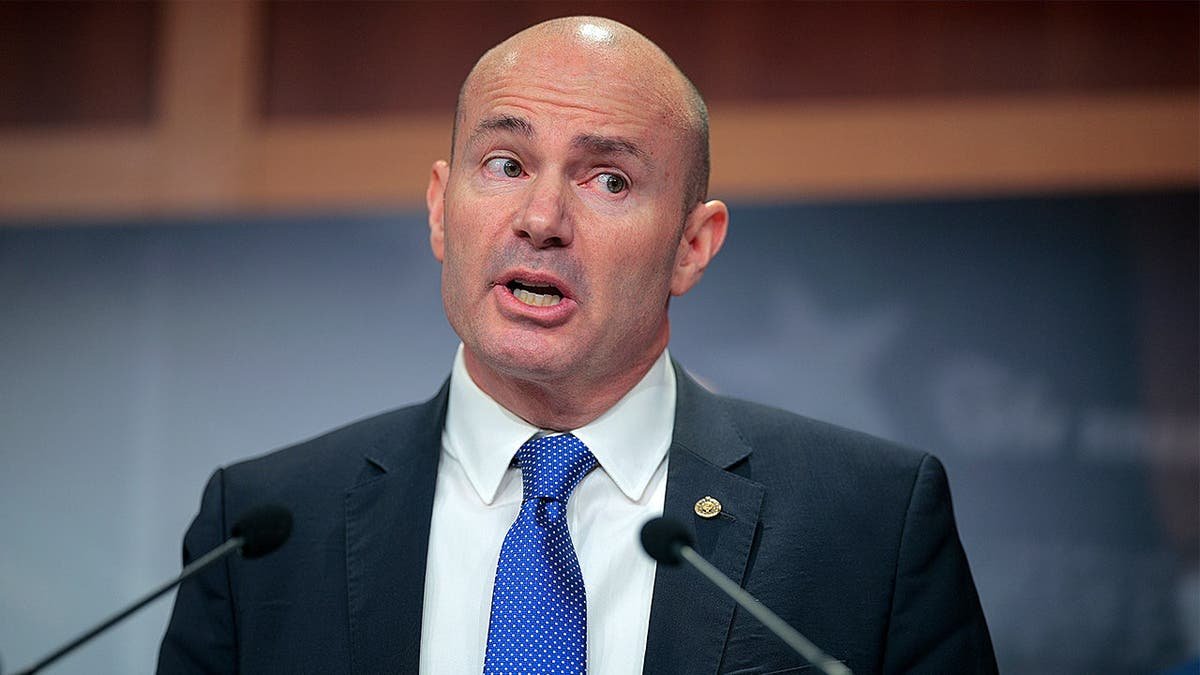
Republicans, including Kennedy, tried three separate times to include the SAVE America Act — or versions of it — into the latest reconciliation package. All three hit the 60-vote mark, and all but one failed to hit 50 votes.
Sen. Jon Husted, R-Ohio, is one of the top backers of the SAVE America Act in the upper chamber and said that he has “been looking for every way possible to get the SAVE America Act passed.”
“And we are currently working on some options that could meet the standard to be part of the reconciliation process,” Husted said. “ But I am in no way certain that we get it done, but we should try.”
Those alternatives would likely be quite different than what the current bill looks like, which Trump has already asked Republicans to revamp to include policy unrelated to elections, like barring biological men from participating in women’s sports.
Sen. Mike Lee, R-Utah, the main driver of the SAVE America Act in the Senate, acknowledged that the bill was “policy, it’s non-budgetary. Therefore, SAVE America itself is not eligible for consideration in a third reconciliation.”
CLICK HERE TO DOWNLOAD THE FOX NEWS APP
But he said a plausible pathway to getting at least an aspect of the bill through the Byrd Rule would be providing funding for states to issue an “Enhanced Real ID,” which shows proof of citizenship.
Then, lawmakers could pass a separate bill outside of reconciliation that would require proof of identity to register to vote in federal elections. But Lee, like many in the Senate GOP, was skeptical that a third reconciliation bill would even be an option.
“The second reason is just, as a practical matter, I see no evidence that there is a viable path to a third reconciliation bill,” Lee said. ”I hope there is. I would love to be wrong on that. I want us to do that. I think we should do that. But the schedule that we’ve got, to my great disappointment, is not — It doesn’t accommodate any of it.”
Read the full article here