



 Markets
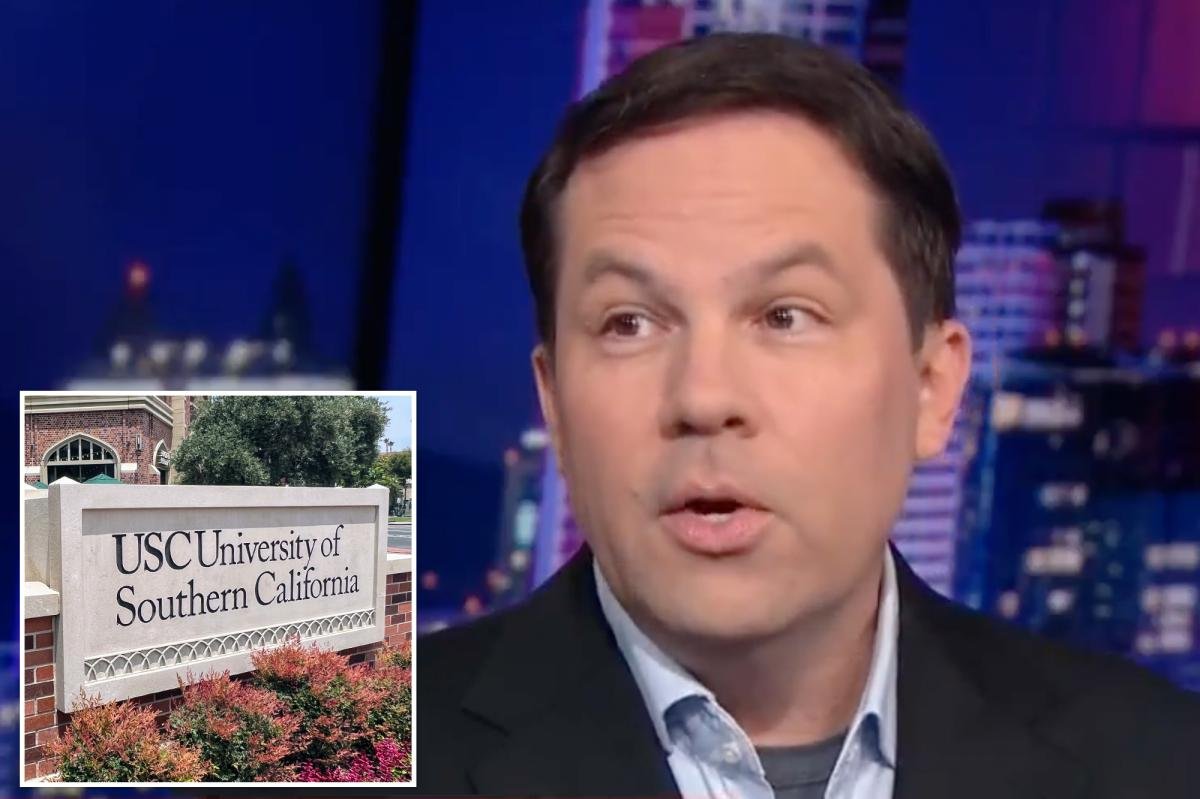
In an interview on CNN’s “The Story Is with Elex Michaelson,” USC Professor Christian Grose defended his controversial formula used to determine candidates for California’s gubernatorial debate.
The formula, which led to the exclusion of several candidates of color, has been labeled racist and biased by various California lawmakers. The debate, originally scheduled at the University of Southern California, was canceled following a public outcry. The controversy centered around the fact that all six candidates invited to the debate were white, while the next four candidates on the list were people of color.
Professor Grose explained that the formula was based on standard social science methodology, incorporating two main variables: polling and fundraising. “I used the methodology that’s been endorsed by scholars from Harvard, Stanford, and Princeton,” Grose stated, emphasizing its widespread acceptance in political research.
When asked about the accusations of racism and bias from California lawmakers and candidates, Grose dismissed them, noting that the same formula has been used in other elections with different outcomes. “When you run it through other elections, like the Mayor of LA race, the candidates who come out on top on this formula are candidates of color,” he pointed out.
He further clarified that the formula did not give “bonus points” to any specific candidate, including San Jose Mayor Matt Mahan, whose inclusion was a major point of contention. Mahan had been performing well in fundraising despite lower polling numbers, which boosted his overall ranking.
“The reality is just the candidates who were complaining were not doing as well,” Grose said. “And it’s not the formula, and it wasn’t me.”
The cancellation of the debate has left a void in the gubernatorial race, with no further debates scheduled for at least a month. Grose lamented the situation, stating, “We missed an opportunity to really hear from candidates on issues.”
Despite the backlash, Grose maintained that he was not involved in the decision regarding the number of candidates to be invited, which was determined by USC. He concluded by reiterating the importance of diversity in California politics but stressed that the results were a reflection of the candidates’ campaign performances rather than any inherent bias in the formula.
Read the full article here