




 Markets

Just under a third of businesses said they had been forced to stand down employees due to cancelled jobs, an inability to travel or prohibitive costs.
About 40 per cent of businesses reported being impacted by cancellations for planned jobs, while some tourism businesses said they had seen a number of cancellations.
Tourism operators told the survey they were expecting their “lowest Easter numbers in over 10 years”.
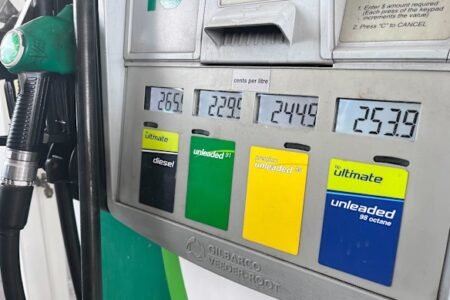
“One business reported that one of their suppliers added a ‘War Time Fuel Surcharge’ on their invoice which is incredibly concerning,” the survey’s key findings said.
“RCCIWA has not seen this level of anxiety, business uncertainty and stress since the onset and first two years of COVID-19.
“This is a fast-moving issue and the escalation of the impact it is having on regional businesses and their communities is alarming. We are also seeing concerning patterns of behaviour in some regional areas such as stockpiling, price gouging, abusive behaviour towards service-station employees and fuel theft.
“Many of our respondents are confused by the current situation and do not know where to go to get accurate and correct information.
“The further complication of Cyclone Narelle travelling down the coast of Western Australia is also adding high anxiety for the thousands of people and businesses who will be relying on diesel-fuelled generators if the power supply is cut.”
The survey made a number of recommendations, and said farmers needed to be prioritised in any government response.
Key recommendations included capping fuel prices for essential services and sectors, increasing fuel tax credits, providing grants to regional businesses to offset the impact, and ensuring all communication is clear and timely.
Read the full article here