






 Markets
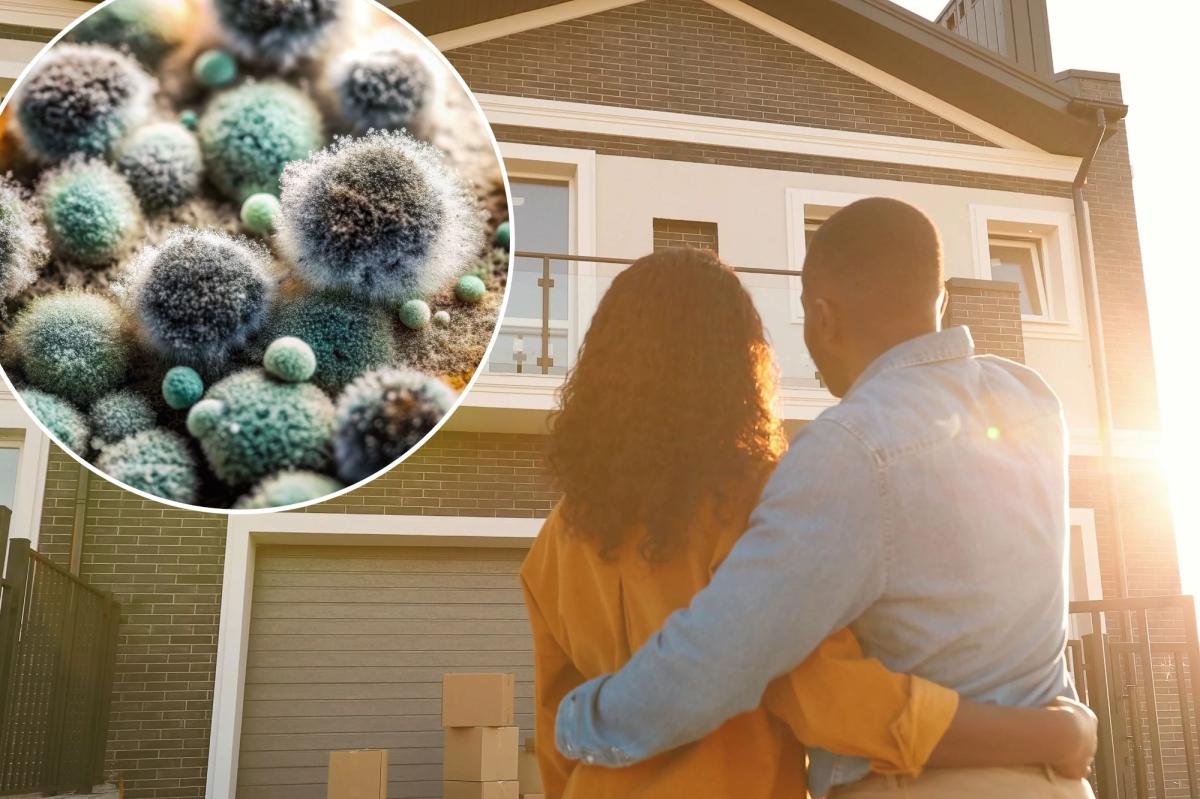
We all know about the effects of outdoor air pollution, but have you considered that indoor air quality can affect how you feel day to day?
If your home smells dusty or musty, or even causes your allergies to flare up, your HVAC system could be part of the problem — or the problem itself.
People don’t realize that an HVAC system does more than cool your home. It moves air through your space, and this means it can move whatever dust, dirt and debris your home has.
“HVAC doesn’t just move air — it moves everything in the air,” says Joey Dooley, a general manager at ARS, one of the largest plumbing, heating and air conditioning services in the United States. “It moves allergens, dust, volatile organic compounds, whatever is in the home.”
Luckily, there are a few ways you can help prevent this and improve indoor air quality in your home.
What’s polluting the air inside your home?
According to Steve Wade, senior director of operations and procurement at ARS, three basic types of contaminants can exist inside a home: particulates, biological contaminants and chemical contaminants.
“There are particulates, and that’s dust and other items. There are biological contaminants and that’s anything that’s a living organism. Then there are chemical contaminants, and that’s things like VOCs that you might bring into the home,” he adds.
These can include dust, dirt, pollen and also pet dander. It could also include mold — yes, mold is airborne — or even bacteria.
“You have new carpet installed, or paint, and there are VOCs, or volatile organic compounds, in the air,” Wade says.
Of course, this doesn’t mean you should always panic every time you buy new furniture or repaint your living room — but it’s something to keep in mind.
One common misconception? Newer homes don’t have to worry about contaminants. In fact, newer homes can trap pollutants inside because they are built so tightly.
“People assume that newer houses with tighter construction automatically have better air quality, but sometimes they’re actually worse because the house is so tight that those pollutants don’t escape,” says Dooley. “They stay inside, and the system is just recirculating them.”
You need your new home to have proper ventilation and humidity control to avoid this.
What are the signs of poor indoor air quality from an HVAC system?
If your home’s climate system is circulating dirty air, it will typically trigger noticeable environmental and physical symptoms. Look out for these indicators:
Uneven room temperatures: Often point to poorly sealed or leaking ductwork pulling in dirty air from unconditioned spaces like attics or crawlspaces.
Excessive dust on furniture: Indicates a clogged or overused HVAC filter that restricts airflow and recirculates fine particulates.
Musty or damp odors: A classic sign of improper dehumidification or stagnant water pooling from blocked AC drainage lines.
Flaring allergies or sneezing: Signals that the system is actively moving airborne biological contaminants, such as pollen, pet dander, or mold spores.
Condensation on windows: Suggests the air conditioning system is not effectively pulling moisture from the air, creating a high-humidity environment.
Your HVAC filter matters more than you think
A dirty or overused filter can make your machine work harder and restrict airflow, causing more dust and dirt particles to circulate throughout your home.
One thing to note, though? Don’t replace your filter too fast, either. Dooley says some newer HVAC systems can actually help tell you when a filter is dirty rather than having you replace it simply because a certain amount of time has passed. This can save you money as well.
“There are even systems now that can help tell you if a filter is actually dirty versus replacing it just because it’s ‘time,’” Dooley says. “If you’re buying expensive filters, replacing them when you don’t need to is unnecessary.”
Depending on whether you have pets, where you live and the climate in your region, your filter-changing schedule will differ. That said, if you start to feel your allergies acting up or your home feels more dusty, it’s time to change your filter — I know it’s time to change mine when I pick up large layers of dust off my nightstand.
Humidity can make your air feel worse
Most of us — and I’ve been guilty of this — assume that air quality only depends on dust and allergens. That said, humidity plays more of a part than you think.
“Air conditioning is dehumidification with a byproduct of cooling,” says Gregory Milich, an HVAC expert and college instructor with 43 years of experience. “So air conditioning is basically dehumidifying the air.”
Your system isn’t just making your air colder; it’s also pulling moisture out of the air. So, if your home is constantly feeling damp or musty, your air conditioner/HVAC system might not be dehumidifying properly. Add to that the system being the wrong size or some sort of other moisture issue in your home.
Milich also warns that homeowners should not simply shut off their system when they are not home.
“It doesn’t just have to do with cooling,” he says. “It’s the humidity that will hurt — not hurt you, but hurt your belongings in your house. Humidity soaks into everything.”
You want to keep this in mind during the upcoming hot summer months. Allowing humidity to build up inside can penetrate your furniture, walls, flooring and fabrics, as well as create a musty environment and raise mold concerns.
Your ducts could be part of the problem
Even if your HVAC unit is working, your ductwork can affect the home’s air quality. If the ducts are poorly sealed, dirty, improperly installed or — most commonly — poorly sealed due to a shoddy repair job, your system may not be moving air properly, according to Dooley.
Duct leaks can also allow dust, insulation particles or other contaminants to get pulled into the system and pushed throughout the home. When in doubt, always do biannual maintenance for your HVAC system and have your contractor check the ductwork to make sure it’s working properly.
Drainage problems may also affect air quality
AC systems produce a surprising amount of water. If that water is not draining correctly, you may have moisture problems, water damage and that dirty, musty smell.
“I think sometimes people don’t realize how much water an AC system produces, and how quickly that can become a problem,” Dooley says. “Those systems can generate a lot of water, especially in the summertime, and if drainage fails, you can get serious damage.”
If you notice water around your HVAC unit, musty odors, stains or even dampness where the system is, it’s time to have the drainage checked. This isn’t something you want to ignore, as it can lead to bigger repair issues in the future and, in the short term, severely affect your air quality.
How to troubleshoot poor indoor air quality issues
The table below maps common indoor climate warnings to their structural HVAC causes and the best immediate actions to resolve them.
| Air Quality Red Flag | Root HVAC Problem | Recommended Fix |
|---|---|---|
| Rapid Dust Accumulation | Dirty, overused filter or leaking ductwork | Change the air filter; have a technician seal duct leaks |
| Musty, Damp Odors | Blocked drainage lines or standing AC water | Clear the condensate drain lines; check for active system leaks |
| High Humidity / Clammy Rooms | Improper dehumidification or an oversized system | Have a professional evaluate system sizing and airflow speed |
| Trapped Stale Air | “Too tight” home construction, lacking fresh air | Integrate dedicated mechanical home ventilation solutions |
Signs your home may have poor indoor air quality
While not all issues are visible to the naked eye, there are some obvious signs.
As mentioned above, if your home feels dirty or dusty, your airflow might need to be looked at. A musty smell usually means a drainage problem, and if your allergies are worse, it’s clear your HVAC is circulating dirty air.
Other signs include condensation on windows, rooms that feel damp or stale, uneven temperatures or filters that seem to get dirty unusually fast.
None of this is an automatic guarantee that your home is making you sick, but these are clues that your air quality in the home, ventilation and HVAC system may need a slightly closer look.
What to do if your home’s air feels off
Here’s the good news: Just because the indoor air quality is suffering doesn’t mean you need to change your HVAC system. Start with maintenance and see how you go from there.
Your first step should be checking your HVAC filter and replacing it if it is dirty. Then, make sure your system is getting regular maintenance. Dooley says biannual maintenance is the baseline in many cases, and that many manufacturers recommend it.
Then, have an HVAC professional take a look at the ductwork, airflow and drainage to make sure the system is properly sized for your home, as a system that is too large or too small may not control humidity or comfort the way it should.
Still having issues? This is when you want to look at getting a better filter or investing in a humidifier or dehumidifier. The issue you’re dealing with will affect your outcome.
The goal is not to buy every indoor air quality product available. The goal is to identify what is actually affecting your home and choose the fix that makes the most sense.
Our verdict
Your home’s air may not be something you think about every day, but it can affect your comfort, health and even your belongings. HVAC plays a big role as it moves whatever is already in the air — rather than just heating or cooling your space.
Start by noticing how you feel in your home — is it too dry, too musty? Are you constantly sneezing or coughing? If you have kids at home, are they developing any sort of rash or often sick?
Then, check your filter, keep up with biannual maintenance and have a professional check your drainage and ductwork. From there, you can make a decision on whether you need to upgrade your system, change your filter or just invest in another air quality system.
Your indoor air shouldn’t be something that makes you feel worse every day — and with proper maintenance and the right system support, it doesn’t have to be.
FAQ
Should I upgrade to a newer HVAC system?
Newer HVAC systems pack tons of features, including automatic diagnostics so you can keep an eye on your system and be alerted when it’s time to change the filter. “Now you’ve got systems with much more precise capacity control,” Dooley says. “That means if the house needs less cooling, the system can operate at a lower speed, use less electricity and still keep people comfortable.”
That said, a new system can be costly, so make sure that’s something you really need before blindly upgrading.
Can poor indoor air quality make you feel sick?
Poor air quality can cause allergy-like discomfort and, in general, cause breathing difficulties, according to the American Lung Association. Taking the above steps with your HVAC unit may help, but many things can affect your indoor air quality. Follow the American Lung Association’s guidance to keep an eye on symptoms and visit a professional if needed.
Can my HVAC system spread allergens?
Yes. Your HVAC system moves air through your space, and this means it can move whatever dust, dirt and debris your home has — it moves allergens, pollen, pet dander, VOCs and other particles if they are present in the air.
What should I ask an HVAC technician about indoor air quality?
Ask whether your system is properly sized, whether your ducts are sealed — and not just a shoddy repair job — whether your filter is the right type for your home, whether humidity levels are normal, whether drainage is working properly and whether your home needs better ventilation or filtration.
Read the full article here