




 Markets
Published on
The Belgian government will partner with the French energy giant to revive nuclear power in its energy mix as soaring electricity prices, driven by ongoing disruptions in the Strait of Hormuz and uncertainty in the Middle East, have already pushed the country’s inflation to 4% in April.
Belgium’s plans to phase out nuclear energy by 2025 were partly derailed by Russia’s 2022 invasion of Ukraine, which drove a surge in natural gas and electricity prices.
While the idea of revoking the 2003 Belgian law to shut down all nuclear reactors faced resistance from the Greens, the Belgian parliament repealed it in May 2025.
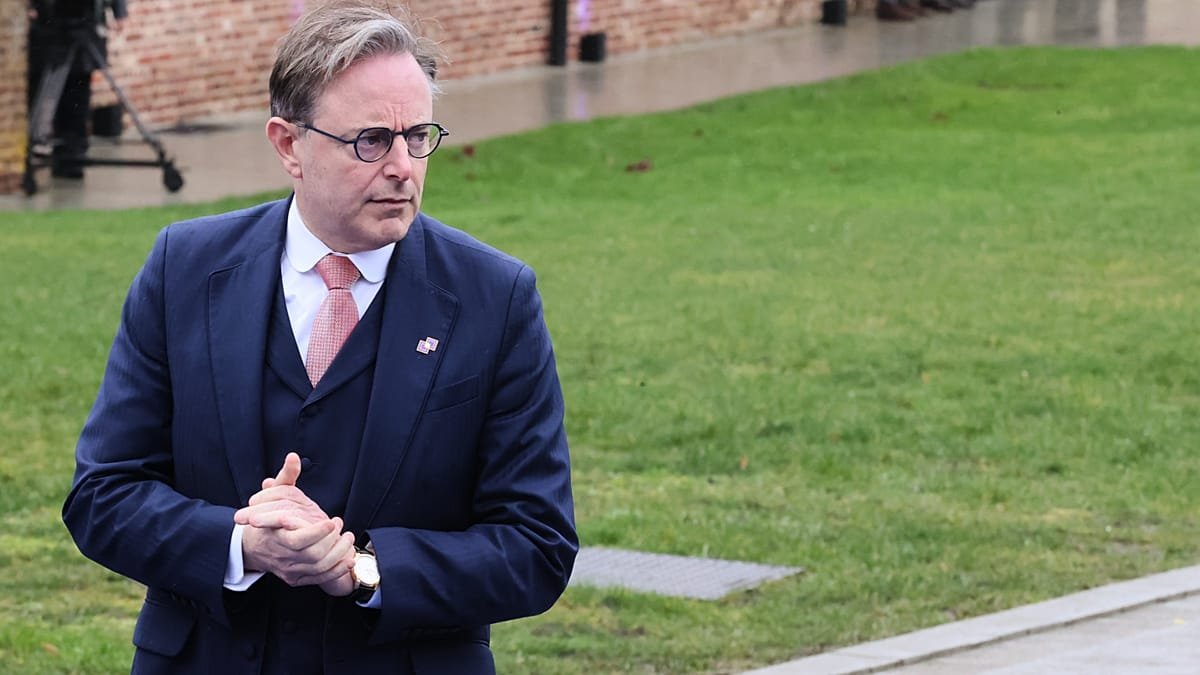
With a new energy crisis already driving electricity prices up by more than 50% and uncertainty over the duration of the Middle East crisis, Belgian Prime Minister Bart De Wever unveiled on Thursday a deal with Engie to conduct feasibility studies for a full takeover of the Belgian nuclear power plant and the halt of decommissioning activities.
“This government opts for secure, affordable, and sustainable energy. With less dependence on fossil fuel imports and more control over our own supply,” De Wever said on Thursday.
The deal signed on Thursday aims to reach an agreement on the takeover of the nuclear fleet by 1 October, but it remains unclear how much Belgium will pay for this nuclear renaissance.
Belgium boasts seven nuclear reactors: four at Doel in East Flanders and three in Tihange in Wallonia. Two of these are still operational: Doel 4 and Tihange 3. Their operating licenses were recently extended until 2035, but amid vulnerabilities exposed by the energy crisis, the government may consider extending them further.
“With this, the Belgian government assumes responsibility for the country’s long-term energy supply, with the aim of developing a financially and economically viable activity that supports security of supply, climate objectives, industrial resilience, and socio-economic prosperity,” reads the press statement from the Belgian government and Engie.
Belgian Energy Minister Mathieu Bihet dubbed the government’s decision a “coherent political vision” which will ensure cheaper energy prices and a reliable supply, while strengthening Belgium’s strategic energy autonomy.
“Less than a year after the law enabling the return of nuclear energy in Belgium came into force, this momentum is already materialising through our determination to regain control of our assets and capabilities,” Belgian Energy Minister Mathieu Bihet told Euronews.
In 2024, under Alexander de Croo’s government, Belgium hosted a landmark nuclear summit, drawing eleven EU countries to back a declaration to boost nuclear energy.
Two years later, Paris hosted the nuclear summit, with numerous nations in attendance pledging to deploy small modular reactors to counter energy price volatility and Commission President Ursula von der Leyen saying that phasing out nuclear power was a “strategic mistake”.
Read the full article here