





 Markets
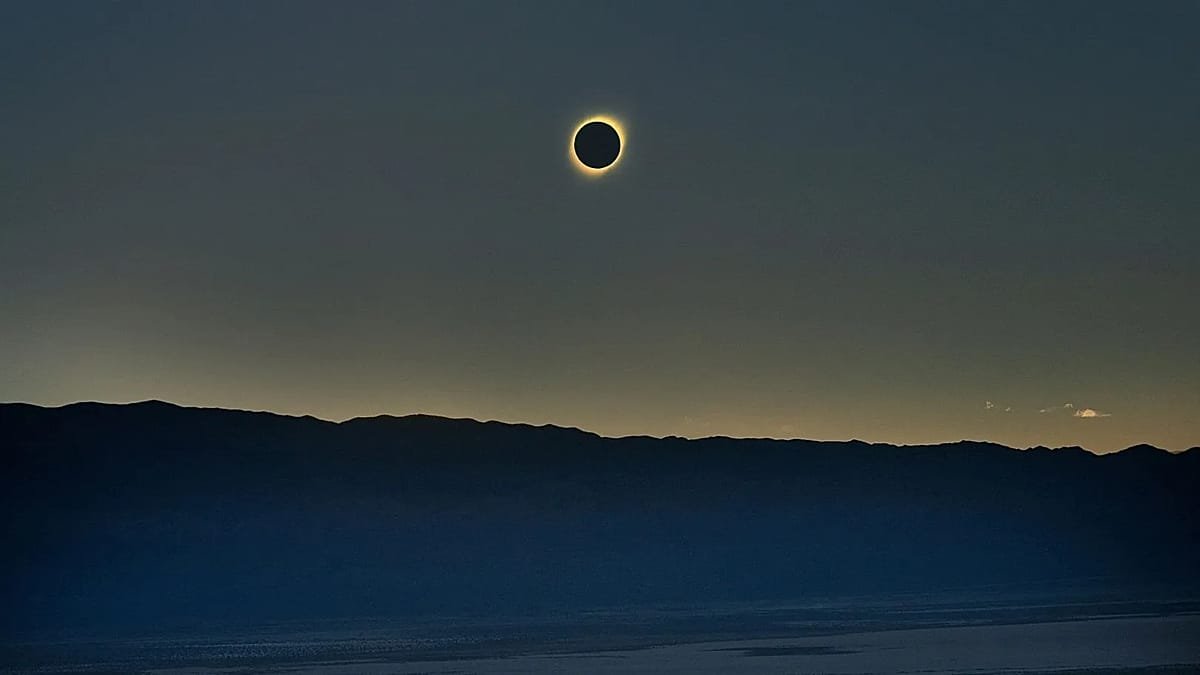
Mark your calendars (if you haven’t already), because 12 August is set to see a total solar eclipse across parts of Greenland, Iceland and Spain.
Cities and towns in the path of totality will be plunged into darkness for up to two minutes, and this solar spectacle is well worth travelling for.
Wondering where to go? Here are some of the events being planned for the occasion, and our guide on how to pick your spot for the eclipse if you want to enjoy it on your own terms.
Special 2026 eclipse events you won’t want to miss
A rave with Björk in Víðistaðatún, Iceland
The world’s most famous Icelander, Björk, will be celebrating the eclipse by hosting a rave in Víðistaðatún, Hafnarfjörður, which is just outside of the capital Reykjavík.
Totality will last around one minute and four seconds, and tickets to the event, dubbed “Echolalia”, include a pair of custom made eclipse glasses, so you don’t have to worry about finding specs with the right… specs.
Björk will perform alongside Arca, Ronja and Sideproject, and you’ll also be able to visit the singer’s exhibition at the National Gallery Of Iceland after.
Music, meditation and talks in the Snæfellsnes Peninsula, Iceland
The Snæfellsnes Peninsula in western Iceland will experience totality for around two minutes and seven seconds, making it one of the best places to see the eclipse in 2026.
To mark the historic occasion – it will be the country’s only eclipse in the 21st century – the fishing village of Hellissandur will host the Iceland Eclipse Festival.
Held over four days between 11-15 August, you can expect DJ sets and performances, talks from scientists, astronauts and cosmologists and more.
Five days of fun in Vinuesa, Spain
There are various festivals timed around the eclipse going on across Spain, but the location of the Iberia Eclipse is a big plus.
Set to be held in Vinuesa, which lies incredibly close to the centre of the path of totality, visitors will bask in darkness for a total of one minute and 42 seconds. Better still, totality will start at 8:29 pm CEST, just ahead of sunset.
There are four stages at the festival, promising a mix of genres, but as soon as totality begins you’ll be plunged into silence so you can greater appreciate the wonder of what’s unfolding in front of your eyes.
A historic train ride and boat journey in Mallorca, Spain
The Sóller Railway will be putting on a special train, tram and boat package for the eclipse.
Guests will start their journey on the historic train from either Palma or Son Sardinia, making their way to Sóller before switching onto the tram to the port.
From there, you’ll board a boat taking you out to sea to watch the celestial spectacle, which should last around one minute and 40 seconds.
Taking in the views at sea, various locations
If you’re looking to see the eclipse unobstructed, there are numerous cruise ships offering itineraries that will coincide with the event.
National Eclipse, a website dedicated to sharing information about where to watch upcoming eclipses, has a round-up here, with options ranging from six to 43 days in Iceland, Greenland and Spain.
How to choose a spot for watching the eclipse
If you want to organise your own eclipse-watching trip, there are a few websites that will help you do so.
For Iceland, the Eclipse 2026 website shows where the eclipse will be visible in the country, as well as the length of totality in each location.
Further to this, some of the tourism boards dedicated to specific areas in Iceland also have suggested viewing spots, including the West Fjords, Reykjavik and Reykjanes.
As for Spain, the National Geographic Institute has created a website where you can check when the totality will begin in your chosen location, and where the sun will be.
Like Iceland, tourism boards like Visit Palma are sharing information about where the eclipse will be visible.
How to view the eclipse safely
Aside from the totality when the moon completely blocks the sun, you should not look directly at the solar spectacle without eye protection.
Solar viewers need to comply with the ISO 12312-2 international standard, but if you can’t get your hands on one, there are ways to see the eclipse without risking your eyesight.
The NASA website has myriad ideas for doing so, from pinhole projectors to using a colander.
Read the full article here