




 Markets
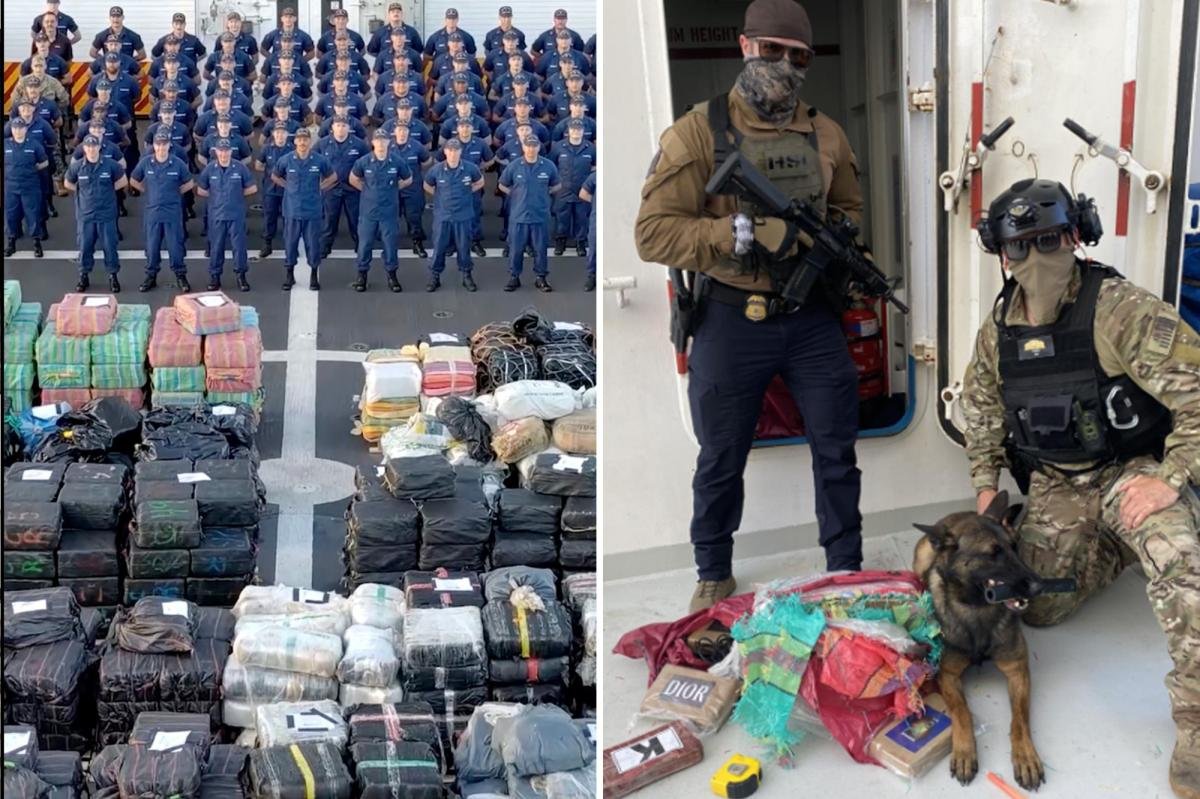
A crude oil tanker at the Port of Los Angeles doubled as a massive drug mule, carrying roughly 500 pounds of cocaine worth an estimated $6.4 million, according to federal authorities.
In another major blow to international drug-smuggling operations, a Coast Guard narcotics detection canine alerted agents to suspected contraband concealed on the vessel earlier this month.
Boarding teams later confirmed the discovery of approximately 500 pounds of cocaine, the Department of Homeland Security told The California Post — some of the packages bore “Dior” branding.
“The success of this narcotics seizure is a testament to the coordinated efforts of the DHS enterprise to dismantle the efforts of drug smugglers under our respective authorities and responsibilities,” said Captain Stacey Crecy, Sector Commander at Coast Guard Sector Los Angeles-Long Beach.
“Through stellar coordination, we effectively detained the suspect and removed the contraband from the vessel to protect the maritime transportation system and facilitate commerce as quickly as possible,” he continued.
Following the bust, Crecy ordered the tanker held at an outer anchorage near the Port of Los Angeles as federal investigators expanded the probe.
HSI arrested one suspect, while two additional individuals were taken into custody.
The seizure is the latest in an aggressive federal campaign targeting maritime trafficking networks and so-called “ghost fleet” vessels suspected of moving embargoed oil and illegal cargo to bankroll hostile regimes and transnational criminal organizations.
Earlier this year, authorities carried out similar enforcement operations involving the Motor Tankers Bella I, Sophia, Olina, and Veronica.
Federal officials say the Ports of Los Angeles and Long Beach remain prime targets for international cartels because the massive shipping hub handles roughly 30% of America’s international seaborne cargo.
Drug seizures at the ports occur constantly, with authorities routinely intercepting massive shipments of cocaine, fentanyl and other narcotics.
The Coast Guard’s broader anti-drug campaign in the Eastern Pacific has reached historic levels, with more than 510,000 pounds of cocaine seized globally.
Returning cutters docking in Southern California have delivered individual narcotics offloads ranging from 2,500 pounds to over 27,000 pounds at a time.
The Trump administration’s tougher border enforcement and expanded maritime interdiction efforts are key factors behind recent declines in narcotics trafficking activity.
According to DHS and CBP data cited by officials, migrant apprehensions at the southern border dropped by more than 90% compared to peak Biden-era levels, allowing border personnel to redirect manpower toward inspecting commercial cargo and passenger vehicles for drugs.
Officials also reported a significant drop in fentanyl seizures between 2024 and 2026, crediting stricter enforcement policies, increased military and National Guard deployments, and initiatives such as the Halt All Lethal Trafficking of Fentanyl Act.
The administration has additionally highlighted sharp declines in sea-based smuggling attempts, citing aggressive Coast Guard interdictions and targeted “boat strikes” disrupting cartel trafficking routes into Southern California.
Download The California Post App, follow us on social, and subscribe to our newsletters
California Post News: Facebook, Instagram, TikTok, X, YouTube, WhatsApp, LinkedIn
California Post Sports Facebook, Instagram, TikTok, YouTube, X
California Post Opinion
California Post Newsletters: Sign up here!
California Post App: Download here!
Home delivery: Sign up here!
Page Six Hollywood: Sign up here!
Read the full article here