





 Markets
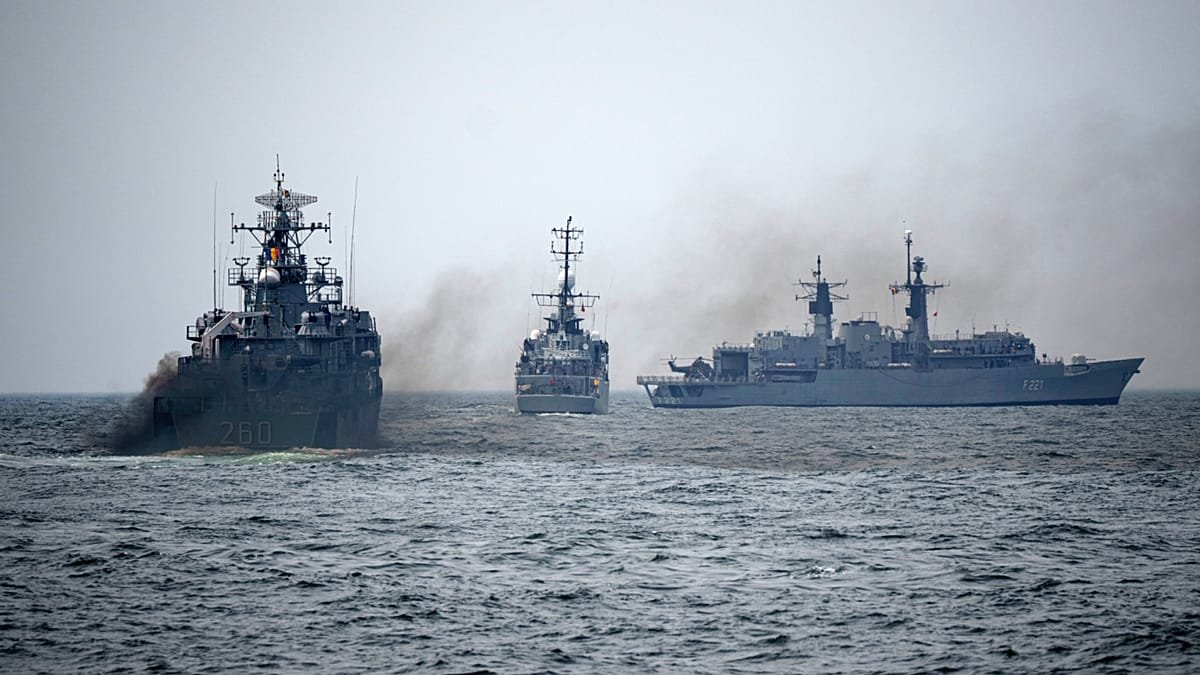
Around 80 percent of global trade travels by ship, while most of the EU’s imports and exports arrive or leave by sea. Meanwhile, more than 95 percent of international digital communications pass through submarine fibre-optic cables stretching across the ocean floor, alongside pipelines that transport much of the world’s oil and gas. Damage to these networks—whether through sabotage, drones, unmanned underwater vehicles or conventional military attacks—could disrupt supply chains, financial systems and energy security almost overnight.
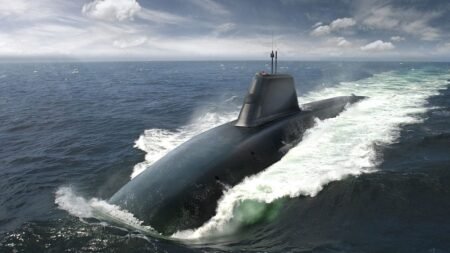
As a result, maritime defence is increasingly focused not only on warships and submarines but also on surveillance, autonomous technologies and the protection of critical underwater infrastructure.
The EU has responded by making maritime security a central pillar of its defence strategy. Since Russia’s invasion of Ukraine, defence investment is accelerating through initiatives such as the Strategic Compass, the updated European Union Maritime Security Strategy, the European Defence Industrial Strategy and the European Defence Fund. Meanwhile, programmes like EDIP, the SAFE loan facility and the Maritime Industrial strategy have channelled funding into naval production, autonomous systems, advanced sensors and counter-drone capabilities.
This investment is concentrated in a handful of countries that form the backbone of Europe’s maritime defence industry. France, Germany, Italy and Spain account for the vast majority of the EU’s naval production, manufacturing submarines, surface vessels and other maritime defence equipment. Meanwhile, the Netherlands, Sweden and Poland complement these capabilities with expertise in surveillance technologies, sensors and maritime security systems.
Is maritime defence the next frontier in defence? Can the EU get ahead? Our poll is anonymous and takes only a few seconds to complete. The results will be featured across XL’s EU-wide coverage—including videos, articles and newsletters—and will help shape our reporting as we examine how Europe can secure its position in the age of artificial intelligence.
Read the full article here